


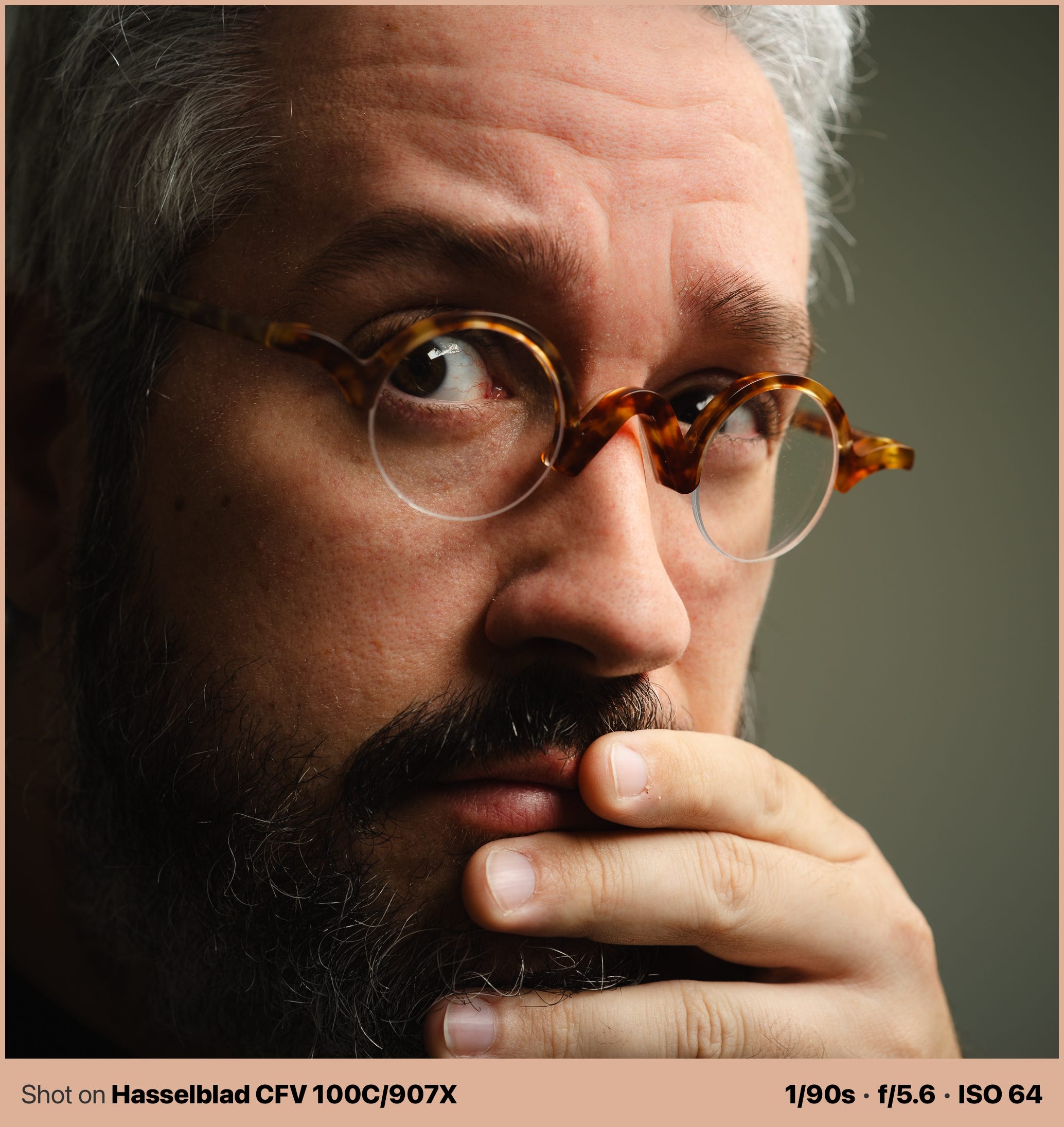
The "wellness industry blueprint"
Let me start with an unexpected comparison: the wellness industry.
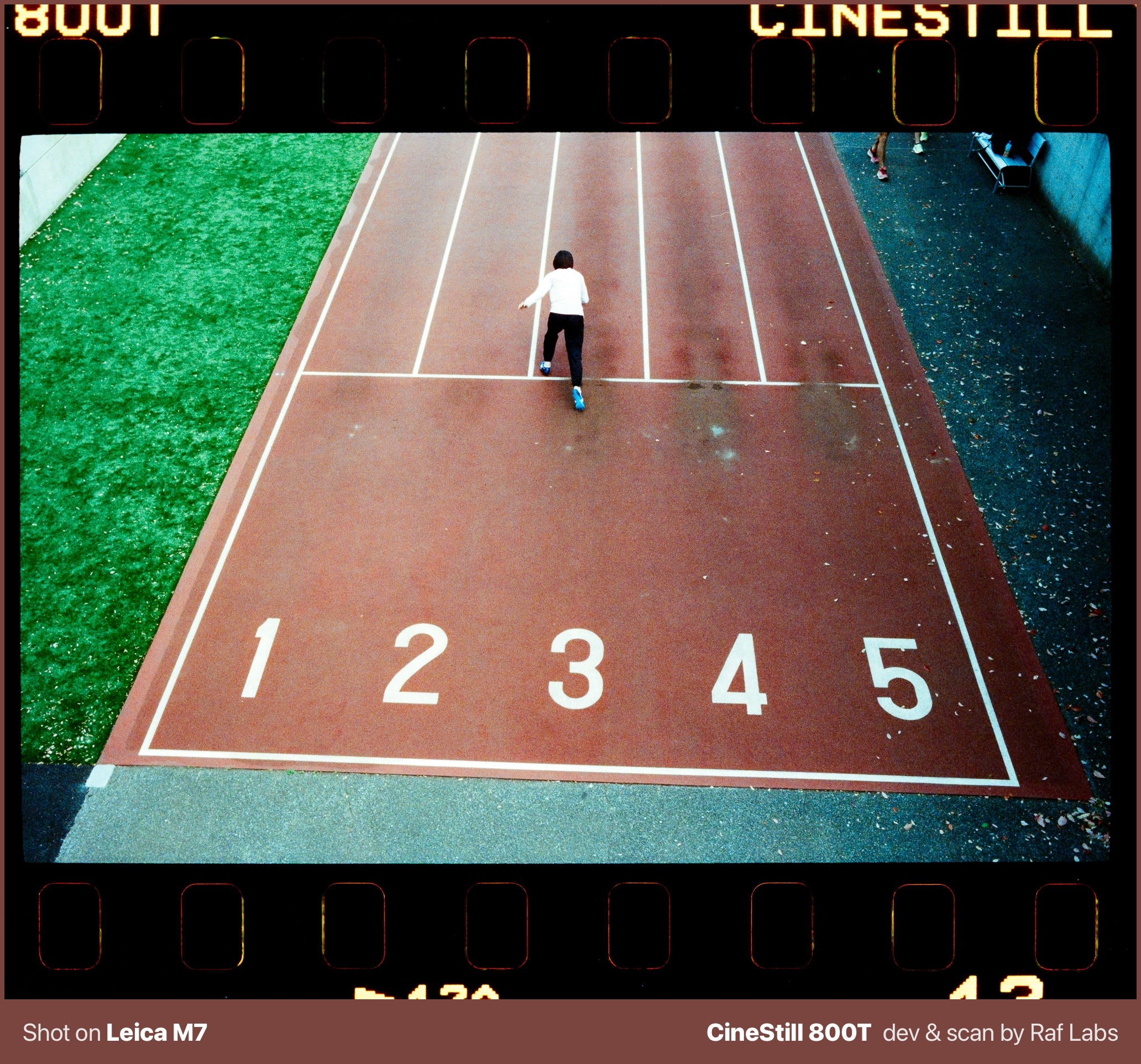
Since the arrival of Chinese e-commerce giants like TEMU and AliExpress, luxury has been democratized to death. Those $5,000 handbags? You can get convincing knockoffs for $50. Designer clothing? Fast fashion copied it yesterday. The traditional markers of wealth like expensive bags, jewelry and fine clothing have become mundane and accessible.
So where did the wealthy pivot? Well, the answer is very simple: to what money can't easily buy1, precisely, time, health, and disciplined bodies.
The wellness industry is now worth $6.3 trillion globally2, growing faster than traditional luxury goods, which actually declined 2% last year3. Influential people and billionaires aren't flexing with Hermès bags anymore, they're posting their 5 AM workout routines, their meditation retreats, their perfectly sculpted physiques.
Look at Apple's recently released iPhone Air, which is marketed primarily for being the thinnest iPhone ever at just 5.6mm. Not the most powerful, not the most feature-rich. The thinnest.
Because in 2025, being lean is the ultimate flex, whether you're talking about technology or triceps. Wellness has become what fine clothing and expensive leather goods once were: exclusive. Most importantly, it represents doing things that most people can't. The average person doesn't have two hours for the gym every morning. Blue-collar workers don't have the stamina for fitness classes after an 8-hour shift.
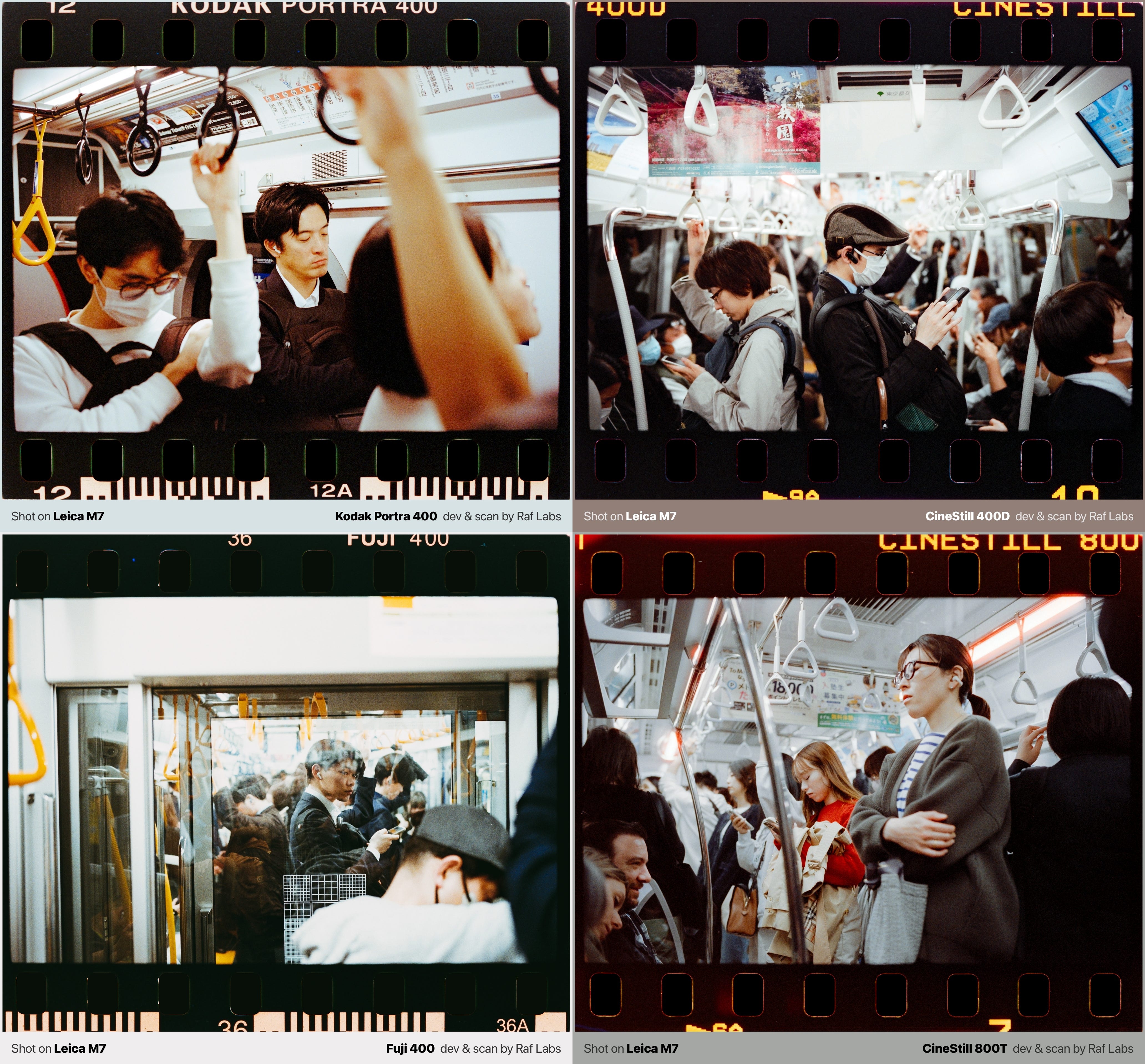
Time and energy have become the new currency of status.
What's the relation with AI?
Now let's connect this to what's happening in creative industries.
Artificial intelligence has completely democratized what used to be expensive and exclusive. A 3D rendering that required a team of specialists five years ago? One prompt. A professional logo that cost thousands? Seconds with Midjourney. Original music composition? AI's got you covered.
According to Adobe's research, 87% of creative professionals now use AI tools4. The local bakery owner can create marketing materials that once required an agency. Your neighbor's startup has branding that looks like it came from Pentagram (whatever this is, lol).
And here's what happened: tacky and souless AI-generated content is everywhere. TV commercials, billboards, social media campaigns: all pumped out by algorithms. Coca-Cola's AI campaign got 800 million views5. Nike used AI for Serena Williams commercials. It's become so ubiquitous that it's invisible.
But is this good?
Marketing agencies and serious creators are asking the same question the luxury industry asked when knockoffs flooded the market: What's our "wellness industry"? What can we offer that screams exclusivity and craftsmanship? What would separate real artists from amateur prompt engineers?
Film is the answer, because…
Film checks all the boxes
Film is rude, inconvenient, and tough. It's not for everyone. I even wrote about it in a previous post, here in this very same newsletter.
When Chaos Wins: The Brutal Reality of Film Photography

Film photography is brutal. It does not care about your careful planning, your sentimental attachment, or the once-in-a-lifetime trip you took. It does not guarantee that your efforts will be rewarded. And sometimes, it takes everything from you in the most unforgiving way possible.
That's precisely the point. While anyone can generate a thousand perfect images with AI in minutes, some of the things film requires are (to say the least!): analog skill and technical knowledge, time for development and processing, acceptance of imperfection and unpredictability, real monetary investment (film costs $10-20 per roll), and the mostly important: patience, becaeuse you can't see your shots instantly
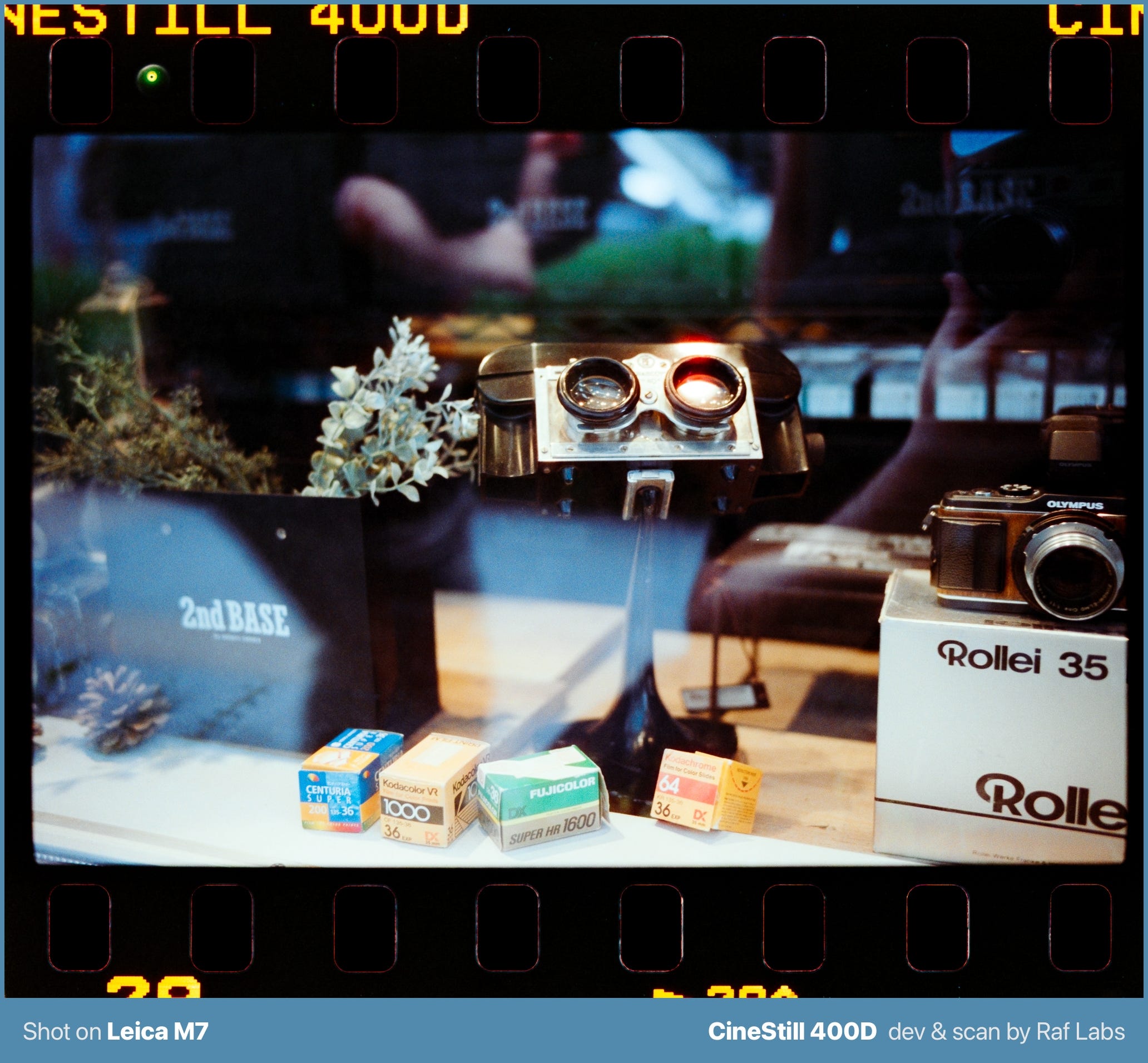
It is not a coincidence guys. This is why 2024 was declared "film's best year in decades" by PetaPixel6. Film camera sales are projected to grow 5.2% annually through 20307, Kodak just made its largest manufacturing investment since the 1990s8, and wew film cameras are launching for the first time in 19 years9.
Here's where it gets interesting
Tendencies and narrative, this is where the money really is…
Trends usually happen where influence and culture get made.
It is not a coincidence that Christopher Nolan shot Oppenheimer on 70mm IMAX film. Those prints weighed 600 pounds each. Martin Scorsese chose 35mm for Killers of the Flower Moon. This year's Palme d'Or winner Anora was shot on film. These directors have unlimited budgets and could use any technology. Even thogh, they choose film. Why?
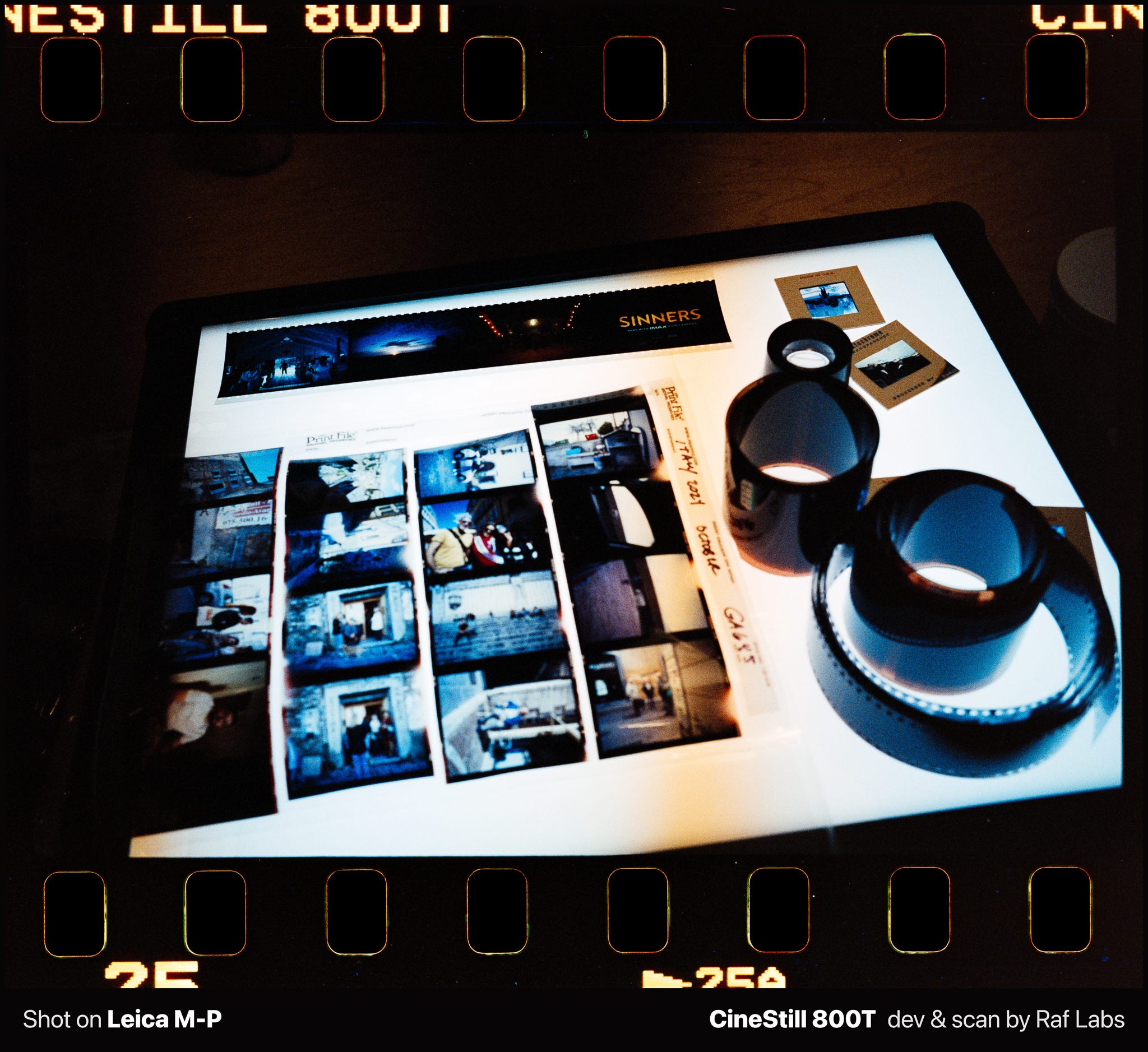
Have you ever asked why?
Quentin Tarantino compared shooting digital to "eating a veggie burger" when you could have steak10. Do you think it’s indeed because of the quality? If you do all the associations with the wellness industry beforementioned, you will realize it is not.
We all know digital is technically superior and more flexible, and you can simulate film pretty much well. So, why important and influentialpeople still shoot film?
Digital Film Recipe vs. Real Analog Film - Kodak Portra 160

Today I am starting a new series here at FotogRAFia, it's called "How do film simulations compare with real film stocks?” You are reading the first edition.
It's about the statement: "I choose the difficult path because I can."
Fashion photographers who charge $50,000 per day are returning to film. Wedding photographers using film charge 30-40% premiums11. Celebrities are launching film camera companies, for example, Jeff Bridges started one this year, and Dua Lipa released a $40 film camera12.
Why? Because in a world where anyone can create "professional" images with AI, film has become the ultimate differentiator. It says: "This was made by human hands, with human intention, accepting human imperfection."
My prediction and insights
Here's what I see coming:
As AI tools become more sophisticated and ubiquitous (and they will, that’s what they do), film photography will complete its transformation from nostalgic hobby to luxury statement.
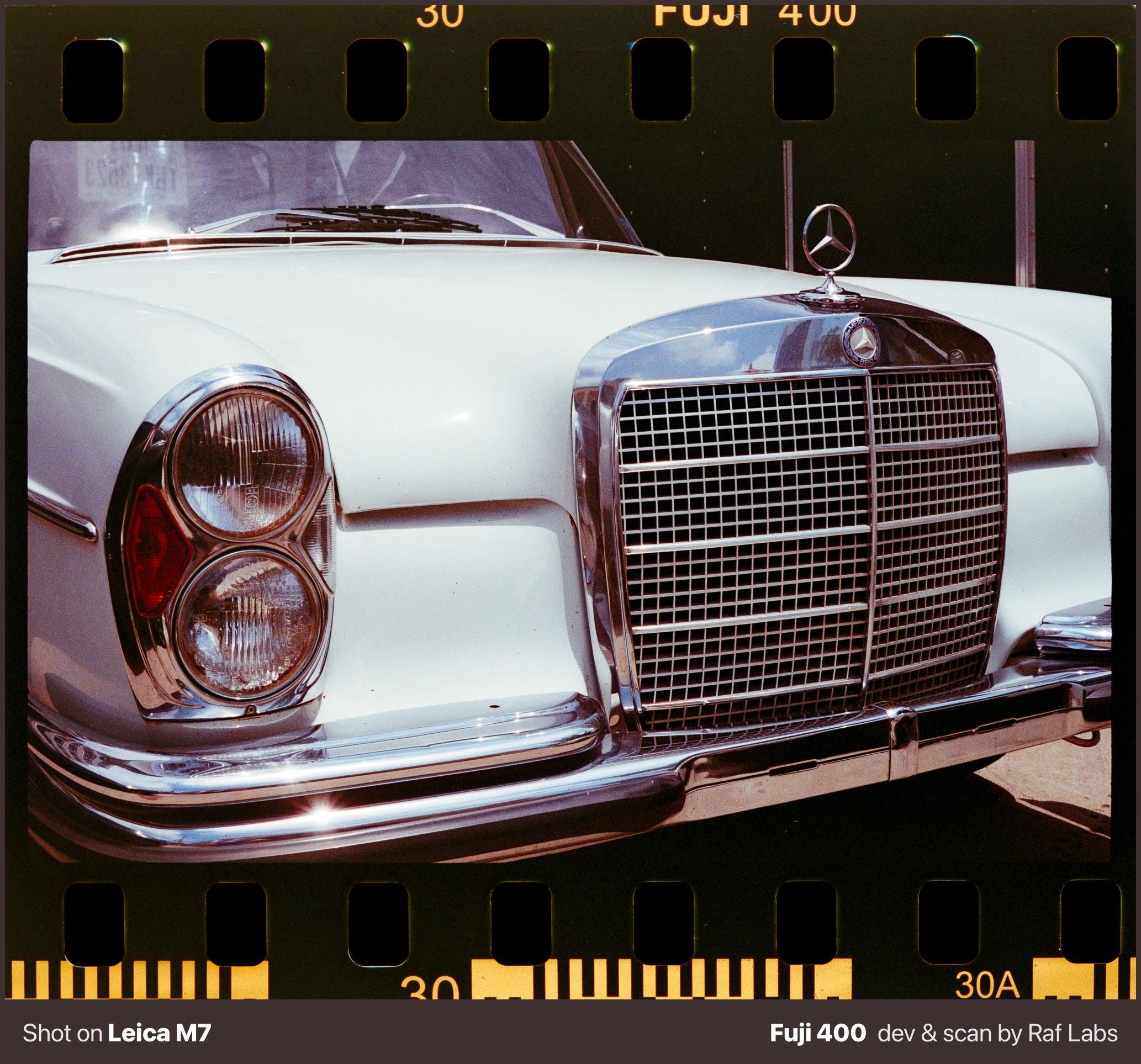
Just as wellness replaced handbags as status symbols, analog processes will replace digital efficiency as creative currency.
The big money luxury brands, high-end agencies, and premium products will increasingly turn to film. Not because it's better or worse, more or less resilient, but because it's exclusive. It checks all the requirement boxes what AI can never provide: physical presence, chemical knowledge, patience, and the willingness to fail. That’s the reality.
Film is becoming the gym membership of the creative world.
The format offers something genuinely irreplaceable in our accelerating digital world: proof of human effort. Every frame costs money. Every shot requires intention. Every roll requires patience. You can't iterate infinitely. You can't undo. You must commit. And most people aren’t up to that challenge.
AI is creating the perfect conditions for film’s renaissance. The more accessible digital creation becomes, the more valuable analog craftsmanship will be. The easier AI makes everything, the more we'll value difficulty. The more difficulty is valued, the more film gets relevance.
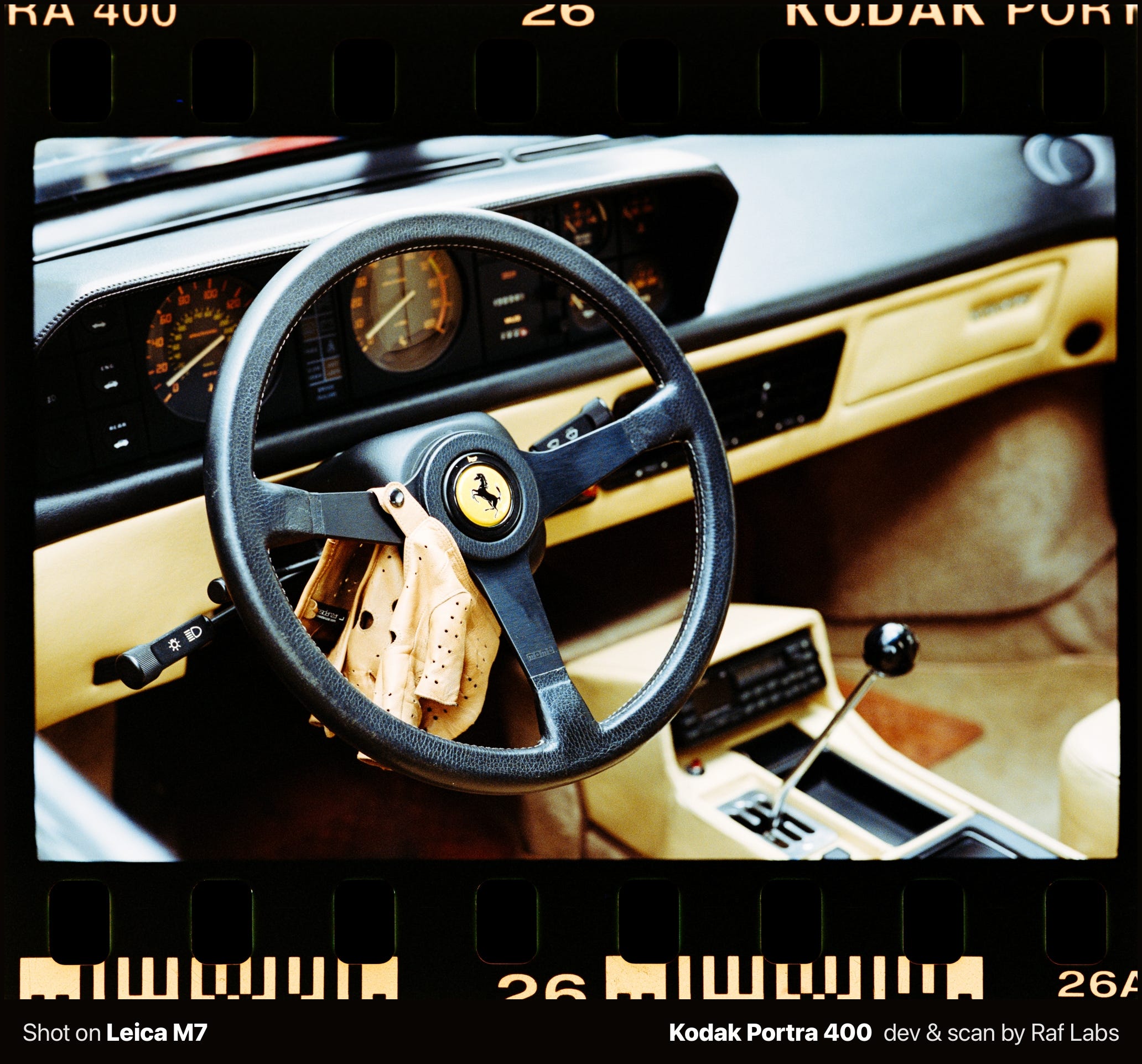
So my prediction stands: The AI era will strengthen film photography, not weaken it. The technology that was supposed to make everything digital will, ironically, make analog more valuable than ever.
Film checks all the boxes of modern luxury: It's inconvenient, expensive, time-consuming, skill-dependent, and absolutely unnecessary in practical terms. In other words, it's perfect for the future.
Note: This isn't about nostalgia or Luddism. It's about market positioning and human psychology. When everyone can do something easily, the hard way becomes the premium way.
What do you think? Is film the new wellness, or am I reading too much into the tea leaves?
Updates that confirm this belief
Fri, Aug 28, 2026
Apple releases an advertisement for the M6 Mac Mini. No AI, clay instead.
