


The 90mm slot was always the hardest one to fill on a rangefinder. Too long for grab shots, too short for proper telephoto compression. And focusing a fast 90 is famous sport. After a few weeks with the APO-Summicron-M 90 f/2 ASPH, I have thoughts. Some good. Some less so. Let'xplor’em!
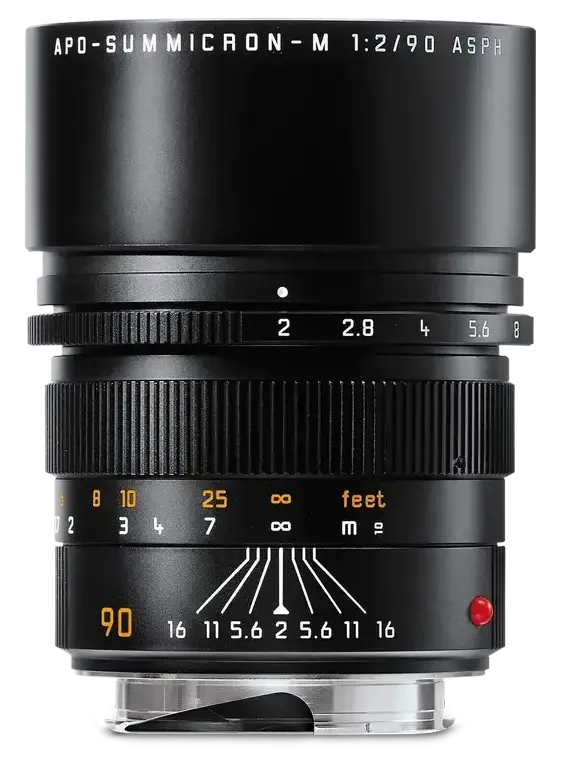
A tiny piece of history
Leica released this design in 1998. It is a five-element, five-group block focusing formula. One polished aspherical element. Two anomalous partial dispersion glass elements. Two high-refractive-index elements. Anodized aluminum body, built-in slide-out hood, 55mm filter thread. Minimum focus is 1 meter, reproduction ratio 1:9, weight approximately 480 grams. The full specification can be found here.
A historical note worth knowing. This was the first Leica lens to use a polished asphere rather than a pressed one. That manufacturing leap is what unlocked the apochromatic correction. Real APO means the lens brings three wavelengths of light to the same focal plane (most lenses correct only two). It is the optical definition of “no excuses.”
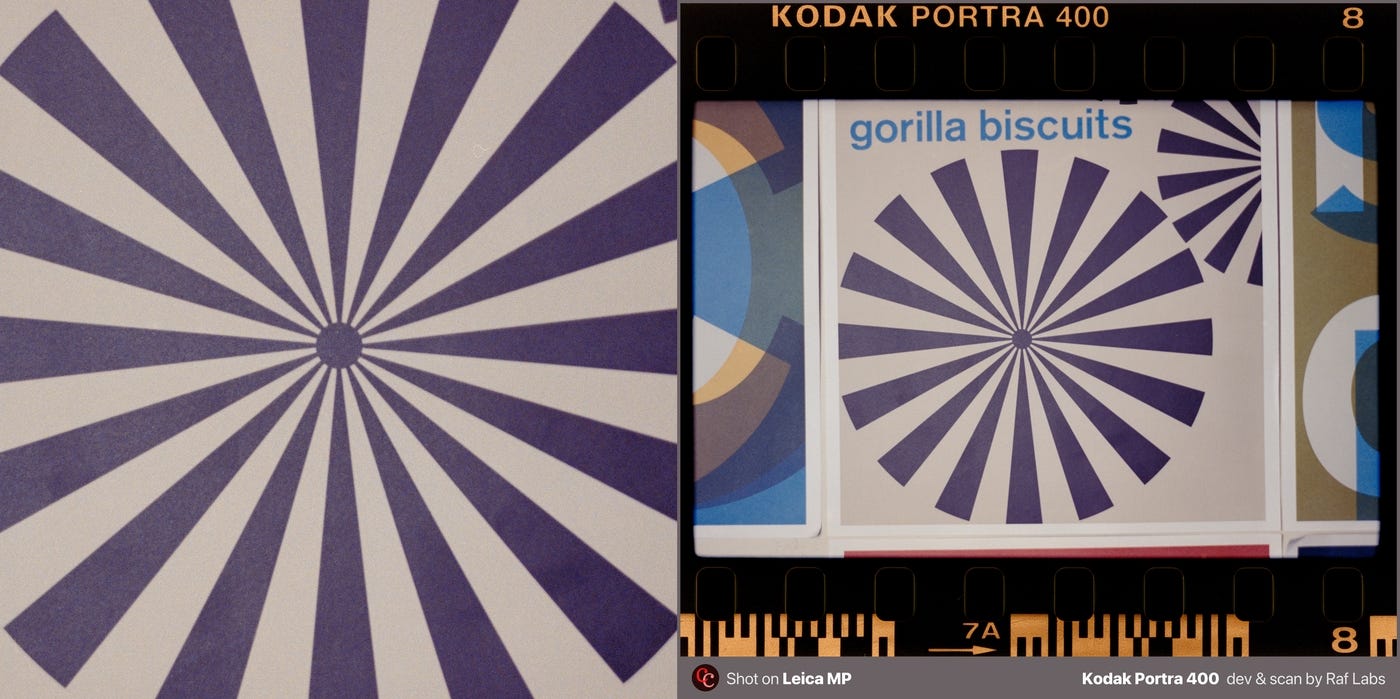
On a Leica M body
The lens weighs approximately 480 grams. It's heavy. On an M body, it pulls forward noticeably. I find myself supporting the front with my left hand by default, which I rarely do with a 35 or 50.
The 90mm frame line on the MP is small. It lives inside the larger 28mm frame, the two are shown together as a pair when you mount the lens. This is the part film shooters need to internalize. You compose inside a postage stamp. If you shoot mostly with 35 and 50, your eye needs to recalibrate, orf you get a Light Lens Lab 1.4x viewfinder magnifier.
What APO means on film
This is where things get interesting. APO correction is talked about constantly in digital reviews. On film the conversation is different.
For color negative work, APO correction shows up in two concrete ways. First, edge transitions on high-contrast subjects stay clean. Color fringing on backlit subjects is effectively absent. Second, skin tones hold their gradation into the shadows rather than collapsing.
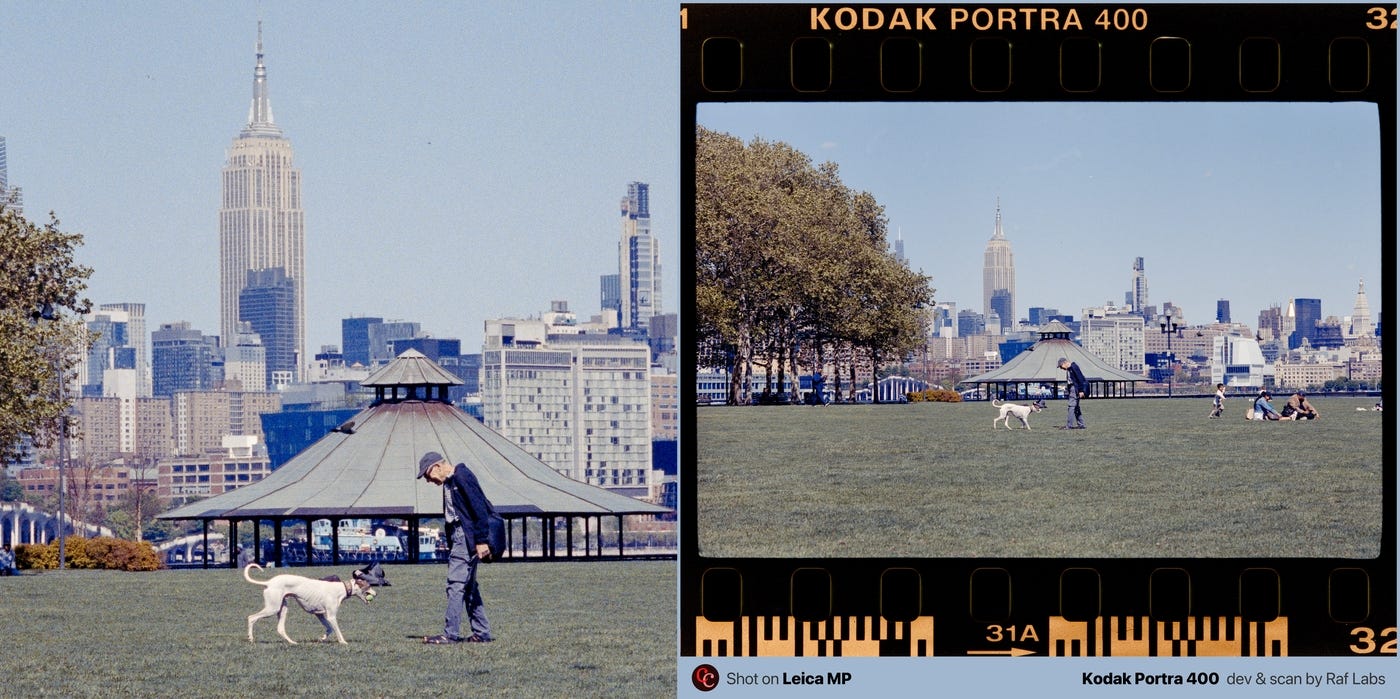
On Portra 400, which already renders skin with a lot of latitude and subtlety, the APO design means you are not losing tonal information to chromatic aberration on top of everything else the emulsion is doing. The two work in the same direction…
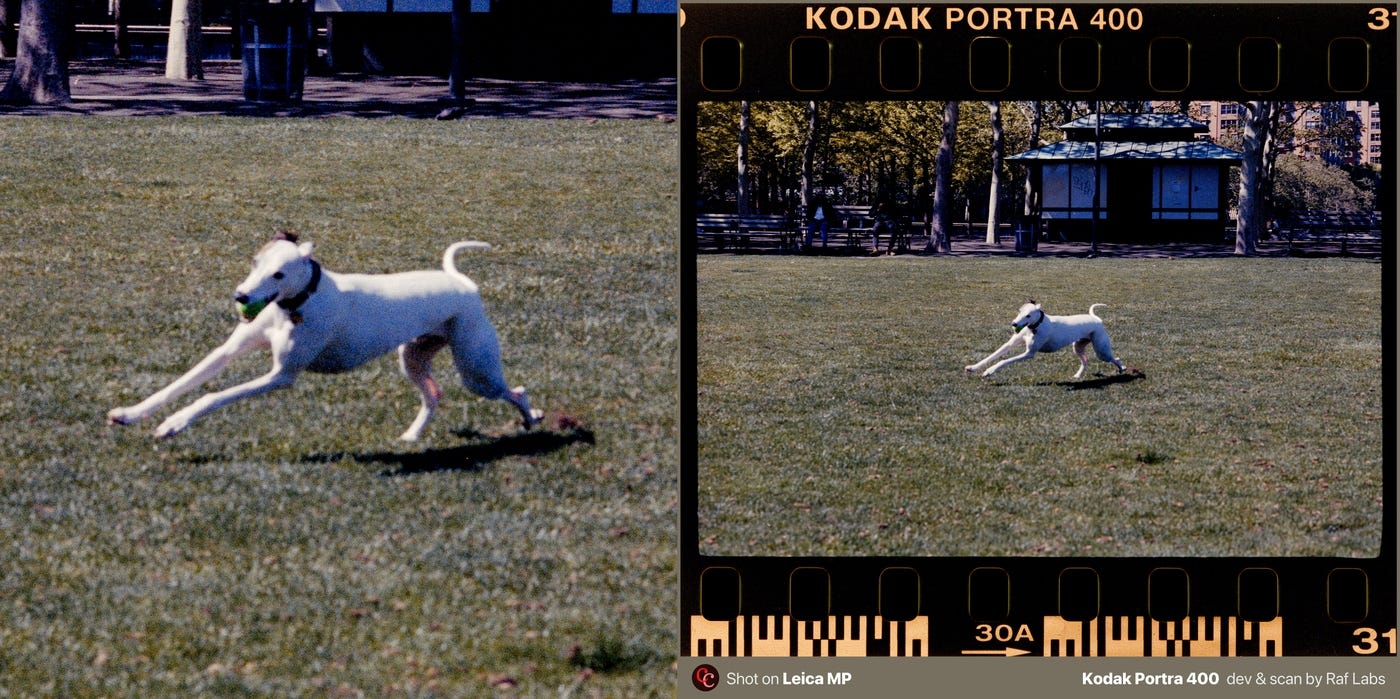
Wide open behavior
At f/2 the lens is already sharp corner to corner. This is unusual for a fast tele. Most 90mm lenses ask you to stop down to f/4 to clean up. Not this one. Resolution wide open easily out-resolves any 35mm film stock, which is exactly the point. The bottleneck is be the emulsion, not the glass.
Vignetting is the number that surprises people. Fast telephoto lenses routinely show more than one stop of light falloff wide open, with some over two stops. This lens measures as essentially negligible at f/2.
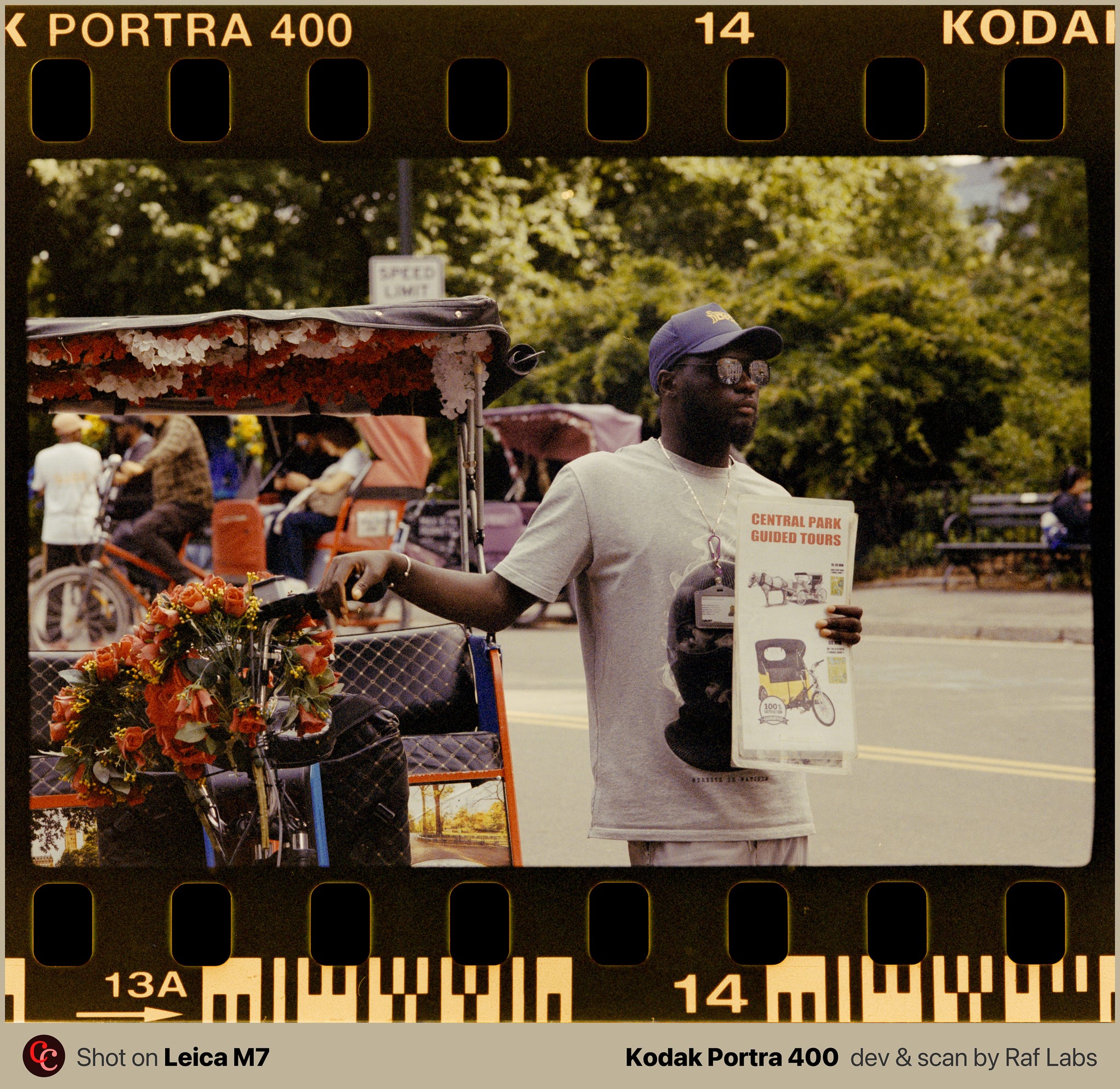
For portraits this matters more than in landscape work, because a corner that is even a third of a stop darker will read differently in the skin tones of a face at the frame edge. On Portra 400 that kind of subtle density shift would be visible.
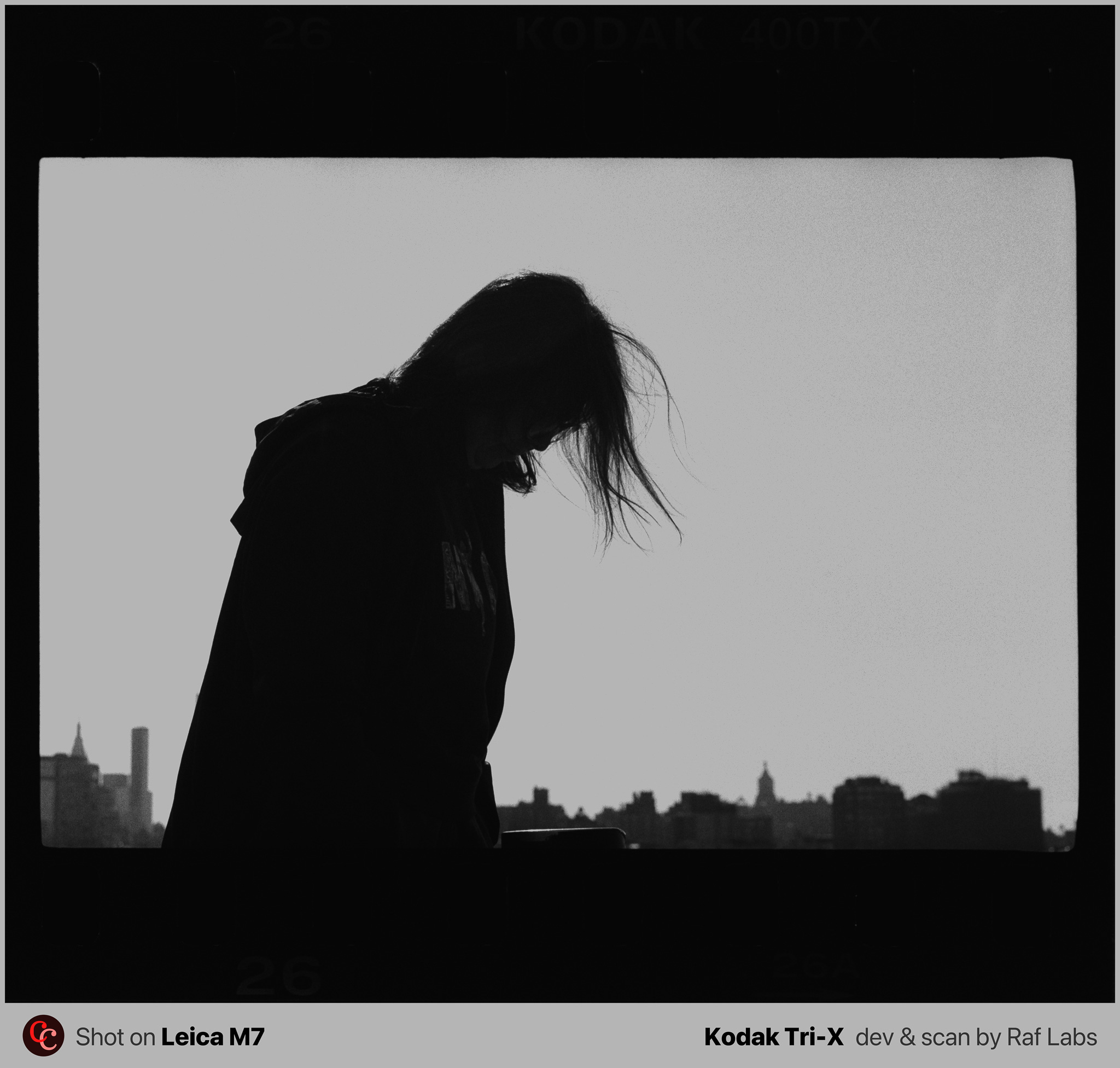
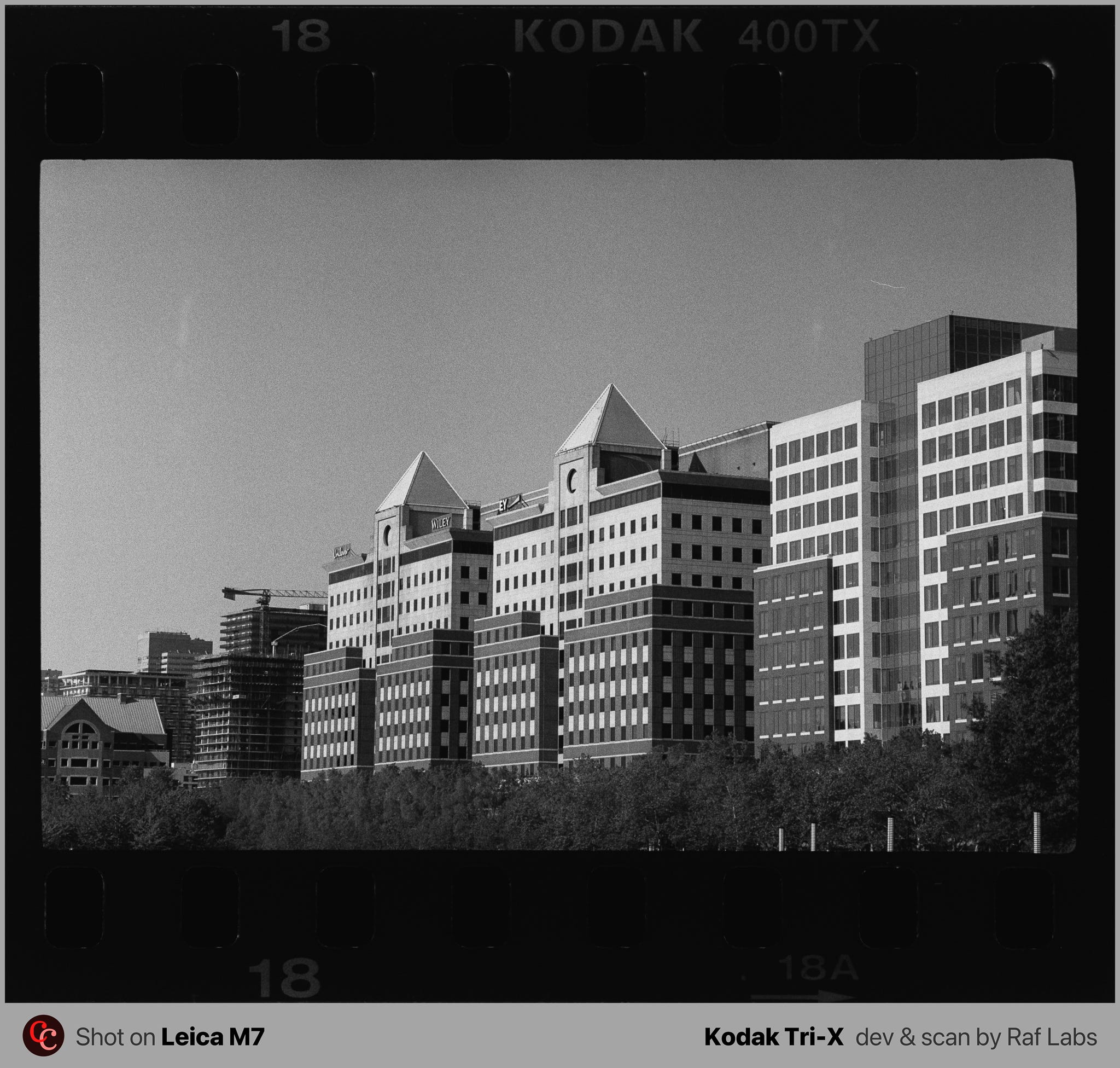
Stopping down one stop to f/2.8 produces a slight but measurable improvement, as the lens is not quite at its absolute peak wide open, but it is close enough that the difference is irrelevant on film. By f/4 it is fully resolved. Diffraction starts to soften the image around f/11. The practical sharpness window for film is f/2 through f/8, with f/4 being the sweet spot for architecture and anything requiring corner-to-corner uniformity.
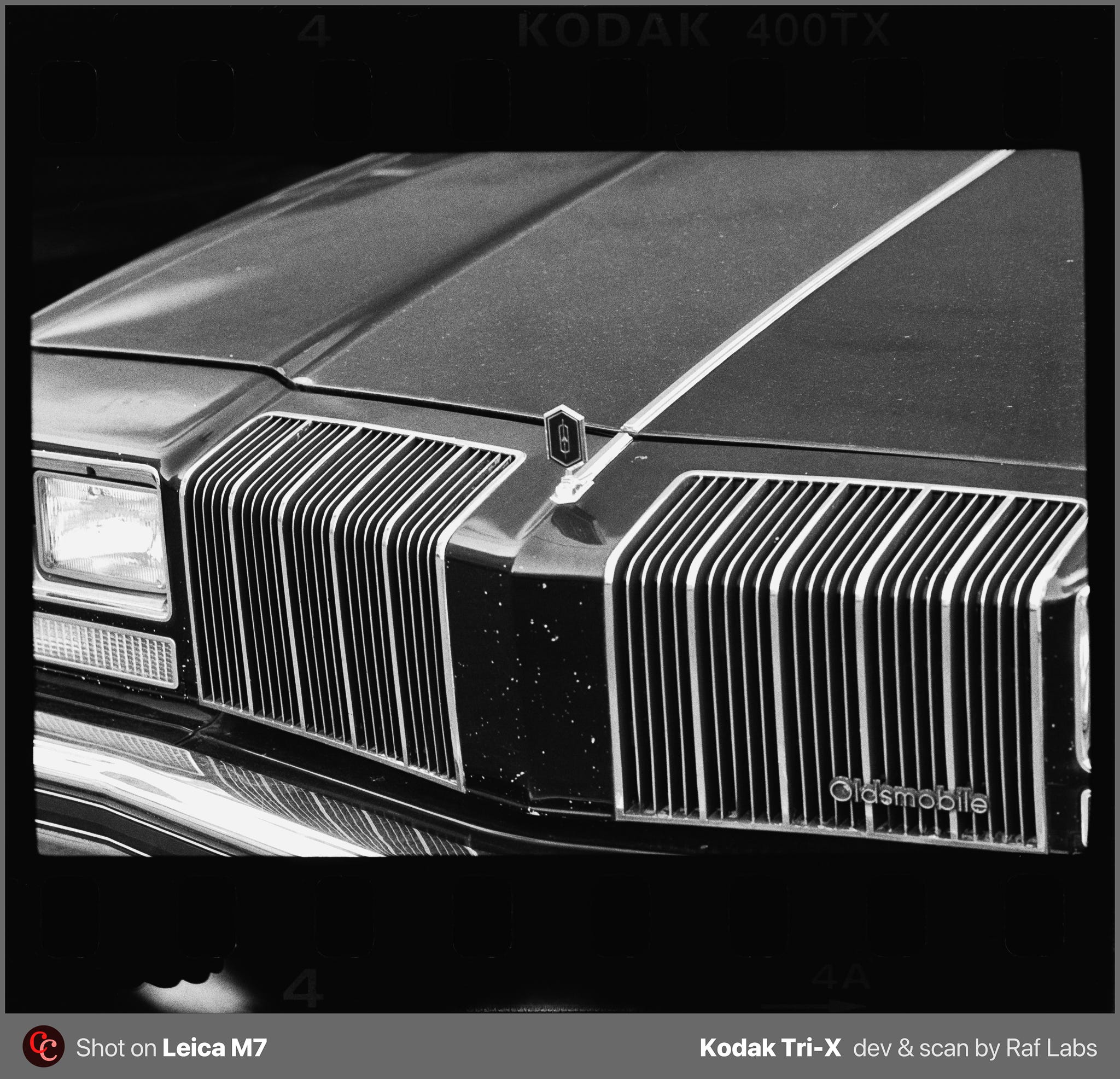
One caveat for night work: bokeh from point light sources shows visible onion-ring structures due to the aspherical element. On film grain softens it, but it is present. Portra 400 at night around city lights will surface it in bright highlights. It rarely ruins a frame, but you should know it exists.
Focusing it on a rangefinder
The honest part. Depth of field at f/2 and 1 meter is shallow enough that the math works out close to a 50mm f/1.1. On the unmagnified 0.72x finder of an M body, that is hard.
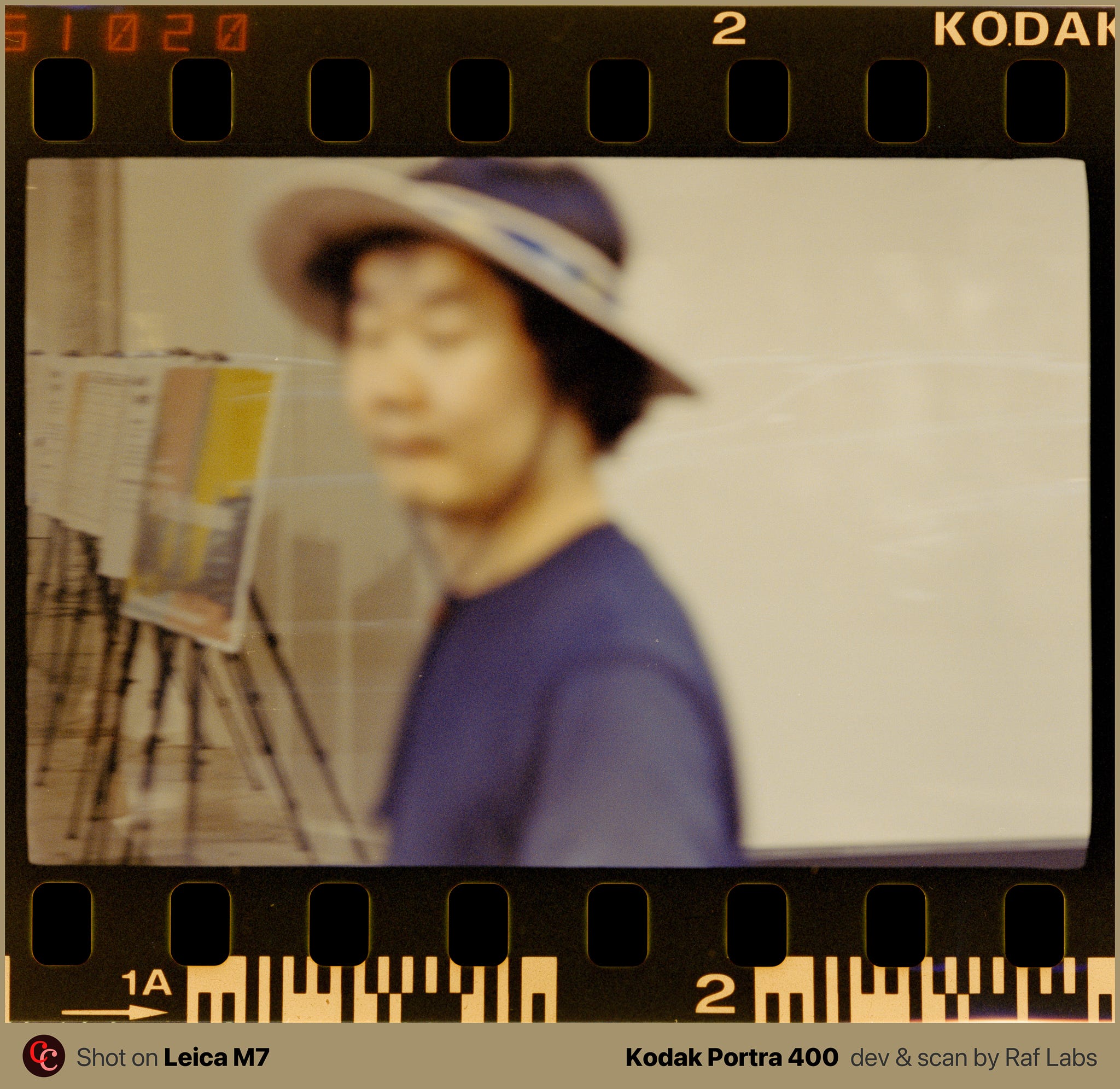
I miss focus more often with this lens than with anything else in my bag. Not by a lot. But enough to matter. A 1.25x or 1.4x viewfinder magnifier helps. So does shooting at f/2.8 or f/4 when the situation allows it.
If your M rangefinder is even slightly out of calibration, you will see it here first. Wide open at minimum focus distance is the most punishing test of rangefinder accuracy in any 35mm system.
Bokeh and rendering
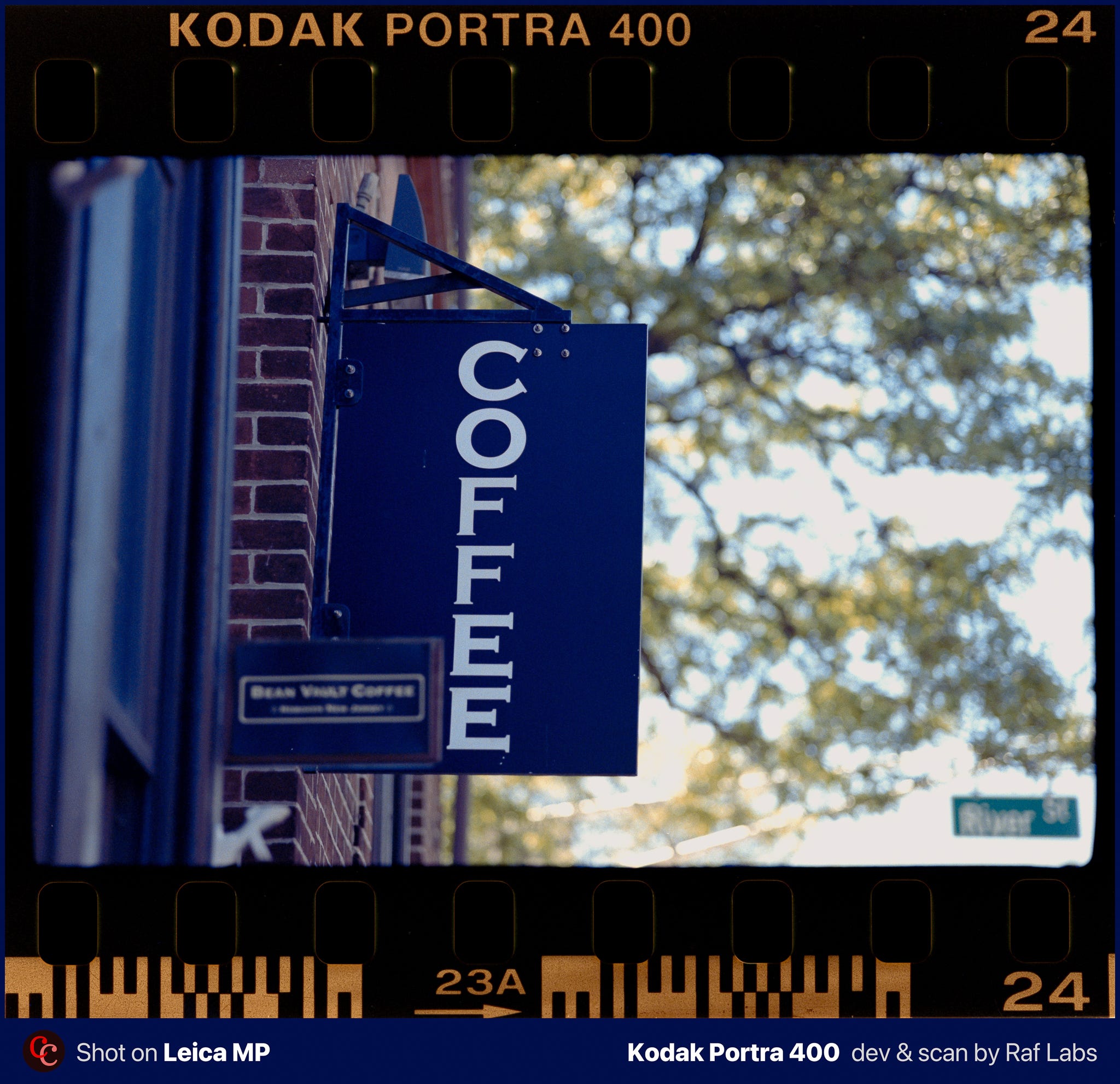
Bokeh is smooth in most situations. Out-of-focus highlights are round in the center and start to lemon-shape toward the corners by f/2.8. Stopping down brings back inwardly curved aperture blade artifacts on bright spots.
Where it falls short
The size and weight cut against the M-system ethos. This is not a walkaround lens for a long day.
The minimum focus distance of 1 meter is conservative. The 75 APO Summicron focuses to 0.7m and gets you significantly more dramatic separation as a result. The 90 also lacks a floating element, which the 75 has, so close-distance performance is technically a notch behind in optical terms.
Price is hard to justify on rational grounds. New it is around $6k. Used in good condition runs roughly two to three thousand. The Voigtlander APO-Skopar 90 f/2.8 covers most of the optical performance for a fraction of the cost, but I got one and had to return because it came with focus misaligned, that's how I ended getting this Leica lens, I paid $2k on mine in absolute Mint condition, a rare find.
Final take
This is the most optically perfect lens I have ever put on a film camera. There is no character in the old Mandler sense. No glow. No softness. It renders what is in front of it with brutal precision. For some film shooters that will feel sterile. For documentary work and landscape it is exactly right. I personally like relying on the film stock for personality, like the 800T halation, etc.
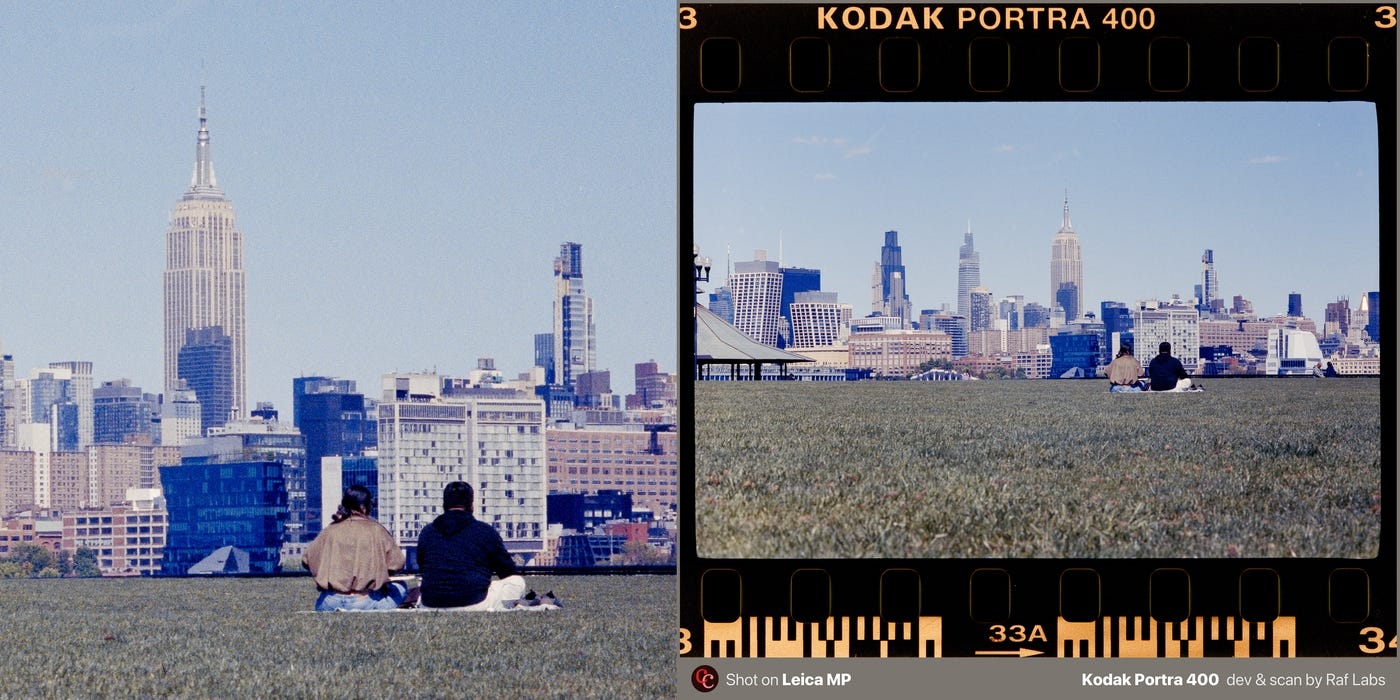
The deeper question is that film is forgiving. Grain hides detail. The very things APO correction was designed to eliminate, like color fringing, aberrations, tonal collapse, which are sometimes the things that give older glass its look. So you have to ask yourself what you actually want from a 90mm.
For me the answer leans yes. Portra 400 and the APO work in the same direction because the film handles the character, the lens handles the precision.
Don't forget subscribing.
