


Manipulation sometimes tells more of the story than the photograph itself. This post will convince you why.
I went looking through the Magnum site the other night and ended up in their store, where you can buy reproductions of Pablo Inirio‘s darkroom prints. Inirio has been the master printer at Magnum’s New York office since the early nineties. He has printed some of the most recognizable photographs of the last century, and the sheets for sale are his working prints, covered in pencil: circles, arrows, numbers. The numbers are seconds. How long to hold light back from a face. How long to let more of it fall on a sky.
One of them is Thomas Hoepker’s 1966 portrait of Muhammad Ali, the young champion with his fist filling the frame. You have seen it, with or without the names attached. What rarely occurs to anyone is that the version living in your memory was assembled in a darkroom, second by second, by a man almost nobody can name. Let’s inspect it.


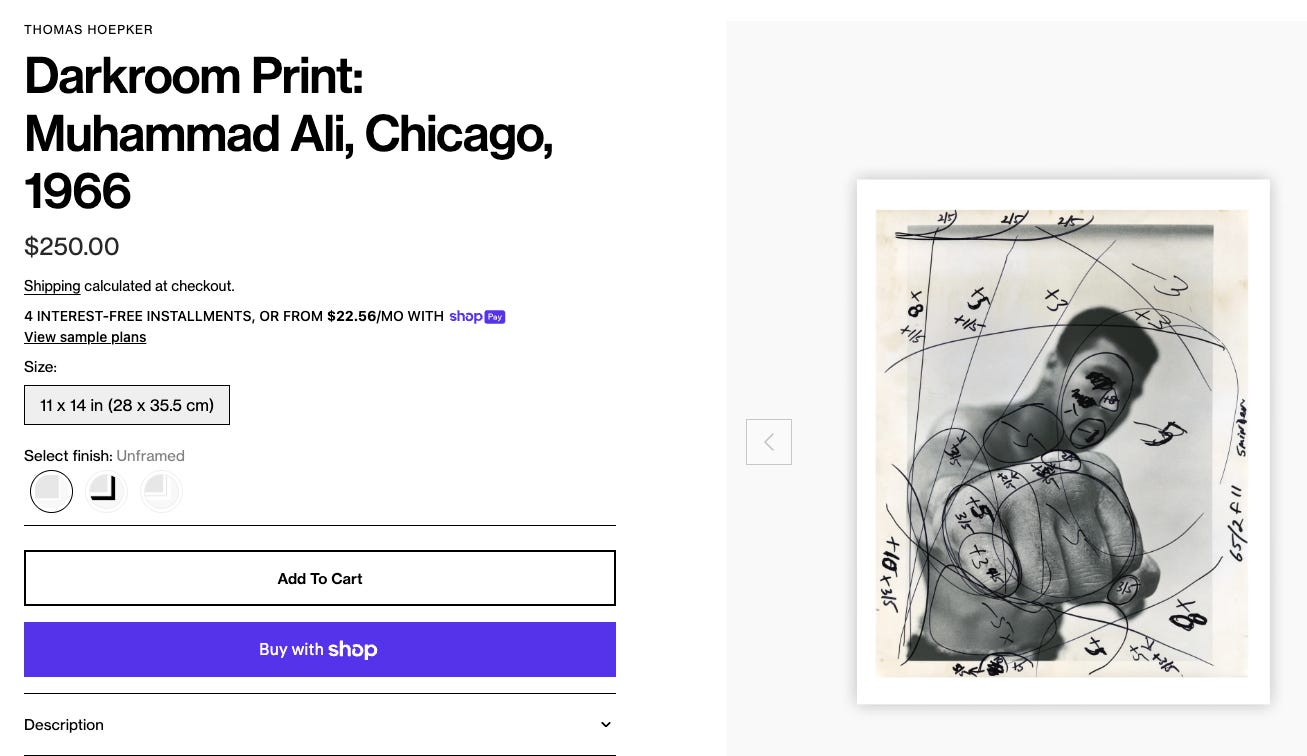

This sent me back to the word itself. Photography. Writing with light. We talk as though the writing happens in the camera, in the single click, but the camera only does half the job. More light writing comes afterward, in the darkroom print. Dodging and burning is the one part of the process that does precisely what the word promises: you take a beam and decide, inch by inch, what the viewer is allowed to read.
Why the darkroom tells the story
Picture a man on the pavement outside a shop, his reflection faint in the glass, a mannequin in an expensive coat above him. Print it one way, hold the glass dark and lift only the coat, and the story becomes the distance between him and a warmth he can see but might never reach. Print it another way, raise his reflection until his face floats beside the mannequin, and it becomes a man considering who he used to be. The same negative. Nobody moved. The story was written after the shutter, in the dark.
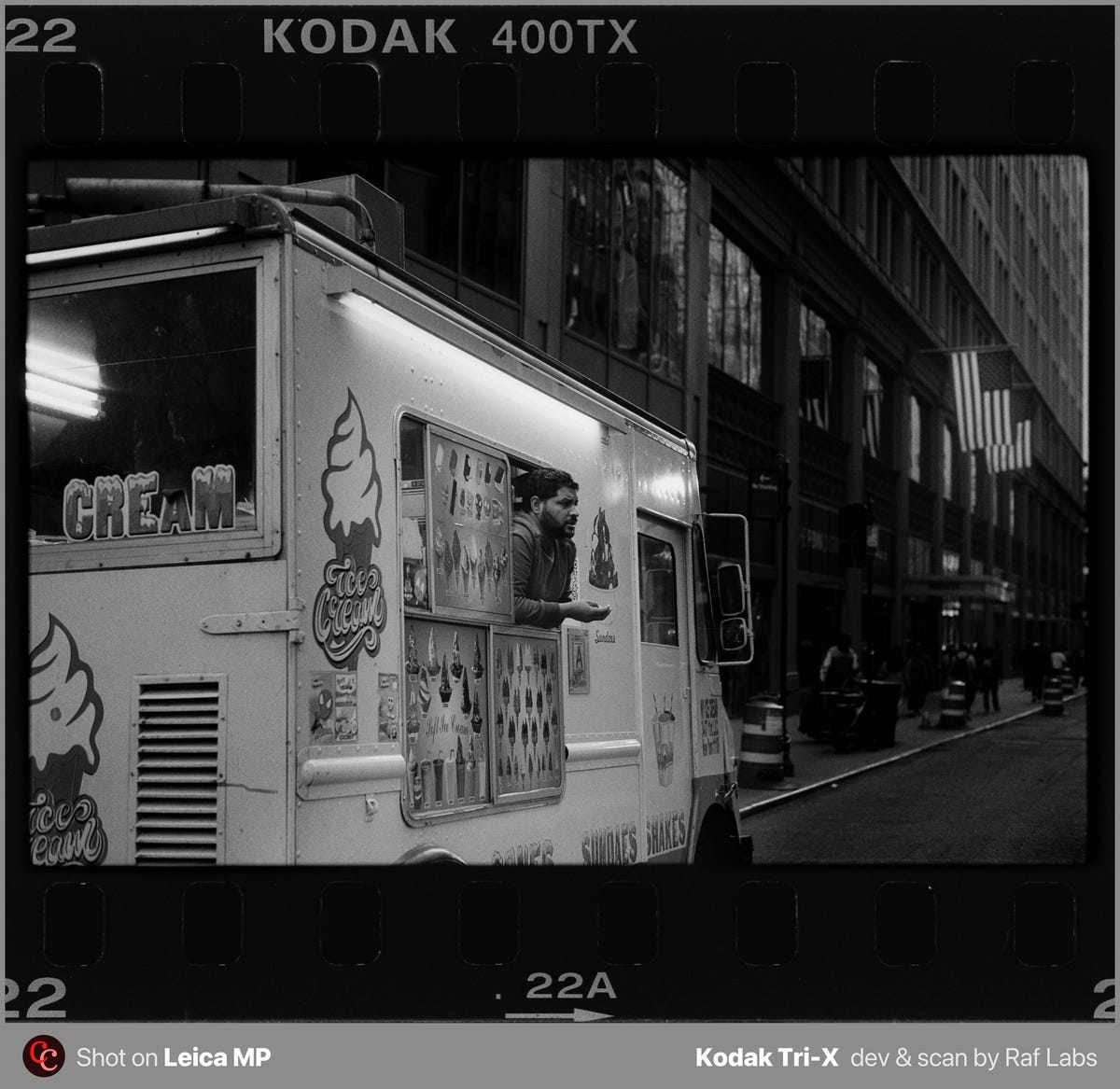
None of this is new, and the people who treat editing as a betrayal are usually quarreling with their own heroes. Ansel Adams, the patron saint of getting it right in camera, said the negative was the score and the print the performance. He also said, only half seriously, that dodging and burning correct the mistakes God made in the tonal relationships. W. Eugene Smith put the darkroom at something near ninety percent of the work. Cartier-Bresson rarely printed his own negatives at all. Salgado never printed his own work either, leaving it to master printers like Philippe Bachelier in Paris.
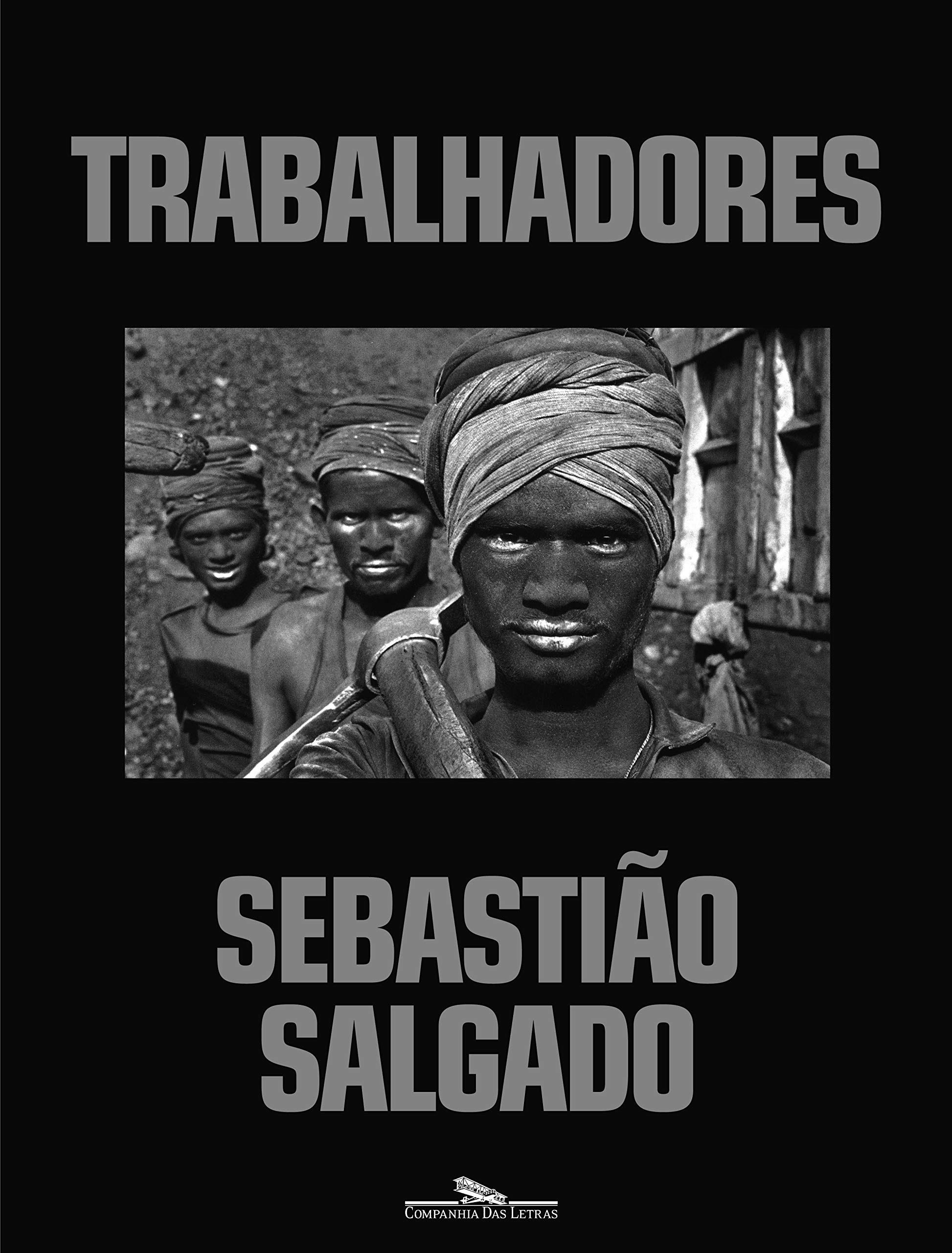


So, a small rant. While the film hipsters treat computer editing as a sin, the photographers I just named built entire careers on pictures finished in the darkroom.
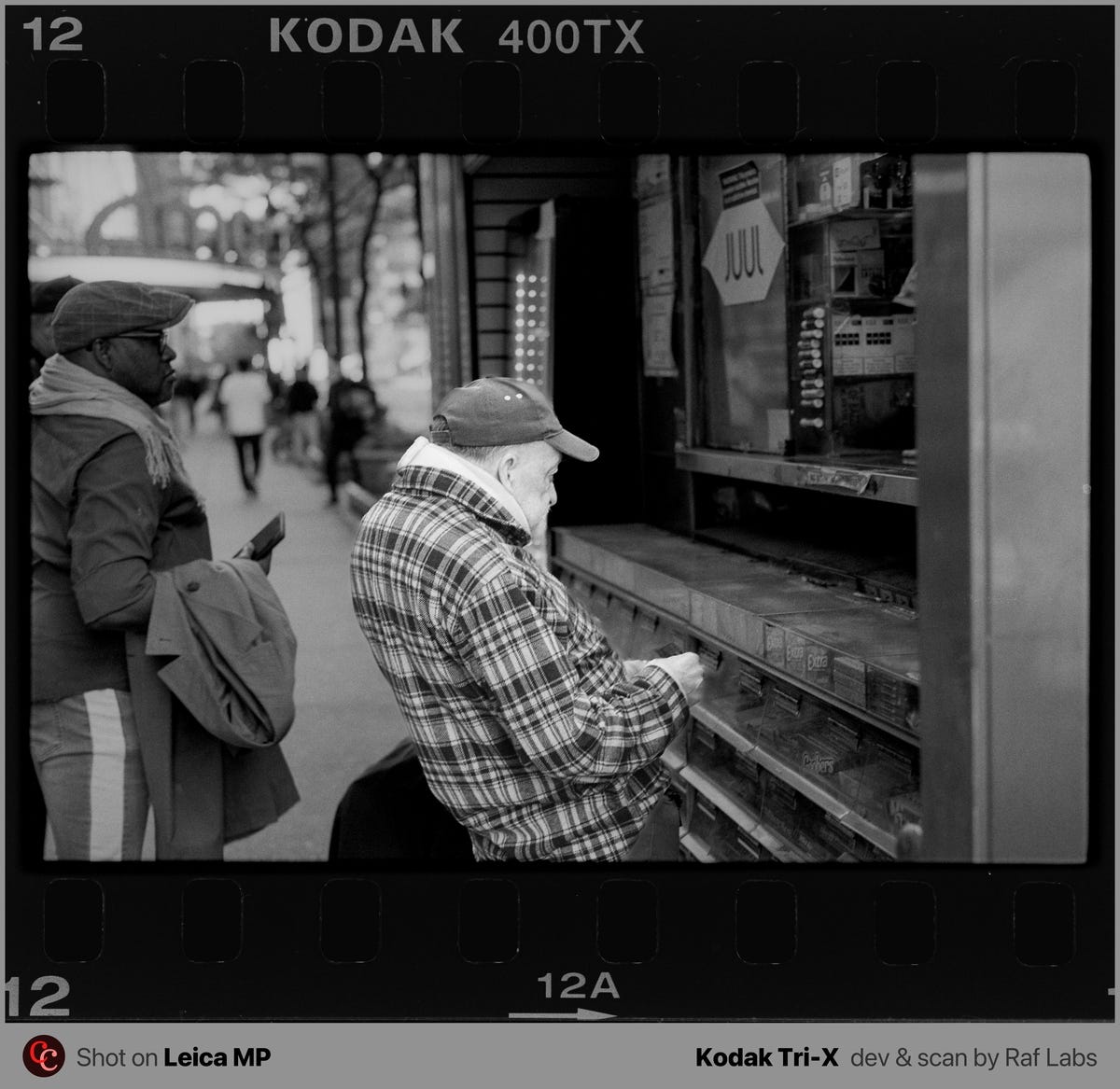
Once you have spent enough time with photography and knowing the chances of knowing if a photo was edited or not just by eyeballing it, the sermon gets hard to take seriously. The purist frets about editing while his own camera edits on his behalf. Look at what actually happens, especially with the Fujifilm crowd who refuse to shoot RAW and commit to a film simulation instead.
An X100V loaded with Classic Neg or Acros is running a digital impression of Fuji’s own film. True enough. But think about it: that impression was made in a fraction of a second by engineers in Japan he will never meet. The lab scan he trusts is the same arrangement, the hand simply belonging to a machine. There is no untouched photograph. There never was.
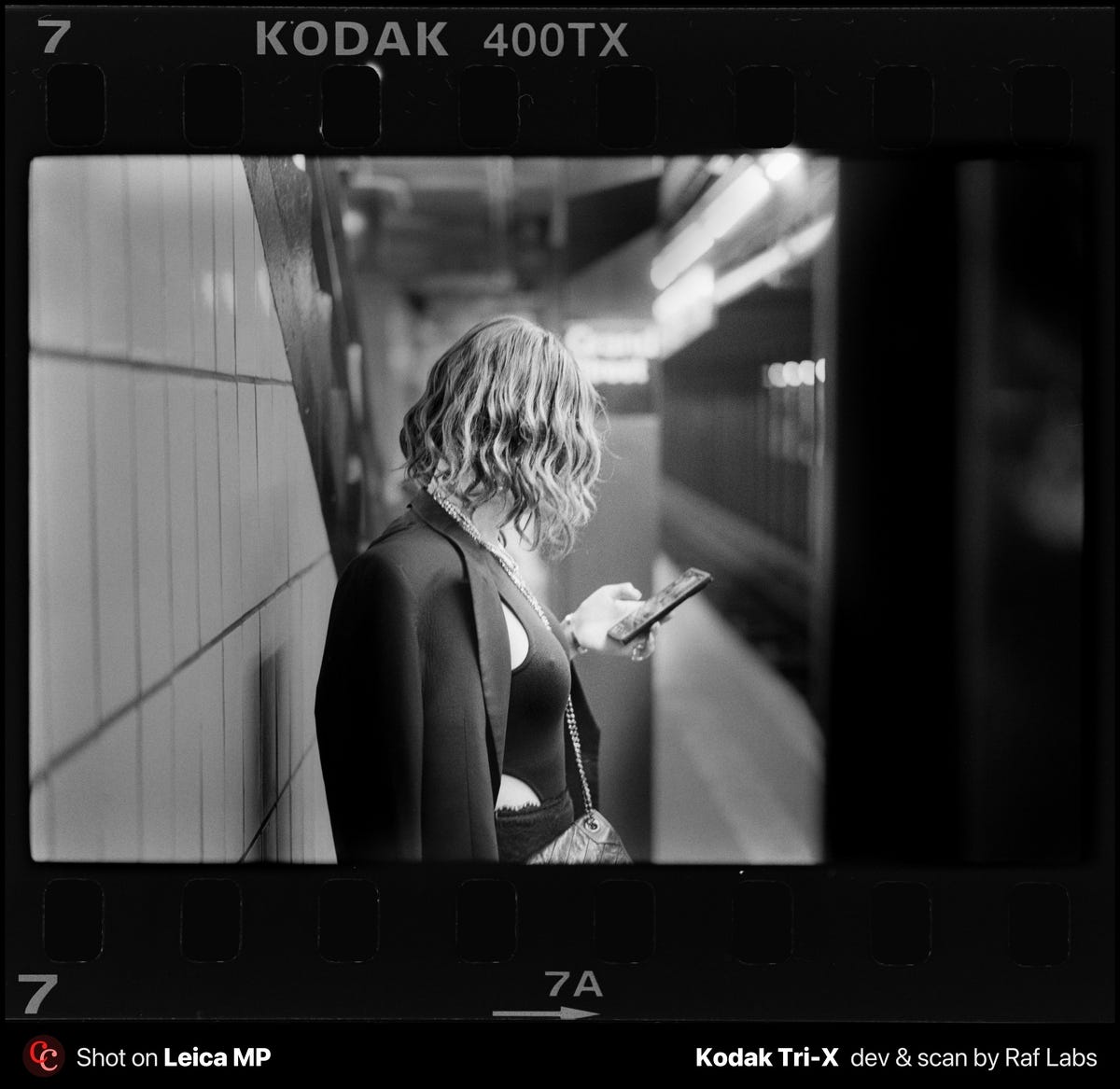
Most of the famous photographs you have seen are edited. The only real question is who did the editing, and whether they meant to. Leaving the decision to a machine is still a decision. It is only a quieter one. The editing is always there.
Back to that Ali photograph. Three people made it: Muhammad Ali in front of the lens, Thomas Hoepker behind it, Pablo Inirio in the dark long after. One image, and the word photography has been quietly dividing the credit

There are some great Adams photos showing his darkroom notes for exposure, dodging, and burning. You can barely see the scene through the marker ink.
Even RAW files are “interpreted” by the choice of program we use. As you said, every photo has been manipulated in some way. It’s just a matter of how comfortable you are with that fact.
Those saying real photography is only on film are probably those still listening to vinyls instead of digital HiRes FLACs