


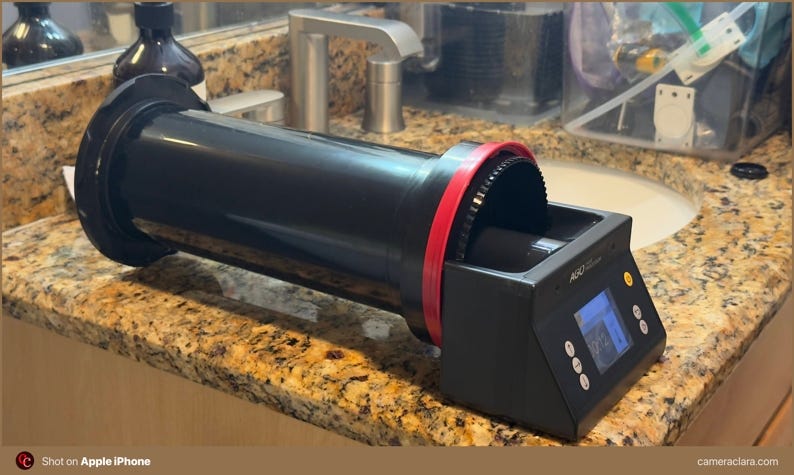
I developed over 151 rolls of film at home last year. Every single one went through the AGO Film Processor from Vintage Visual. C-41, black and white, CineStill 800T, Kodak Portra, Tri-X, name it... The machine didn’t care, and neither did I, because it was running by itself while I was doing something else, just waiting for the beep to go there and pour chemicals back and forth from/to bottles.

The AGO Film Processor is a compact, rechargeable device that converts your existing Paterson tank into an automatic rotary processor. You just need to warm up your chemistry, attach the AGO to the tank, press start, and babysit the thing. No stopwatch in hand, no manual agitation needed.

The AGO’s secret
The star feature is Active Time Compensation. As your chemicals cool during development, the AGO monitors the temperature in real time and adjusts the remaining time automatically. You don’t need to hover with a thermometer. You don’t need to compensate manually. The machine tracks the drift and does the math while you make a sandwich (or espresso, if you know me…). Many people think it warms up and keep chemicals temperature though, it doesn’t, it just monitors and compensates time for you according to the chemistry’s instruction manual guidance.
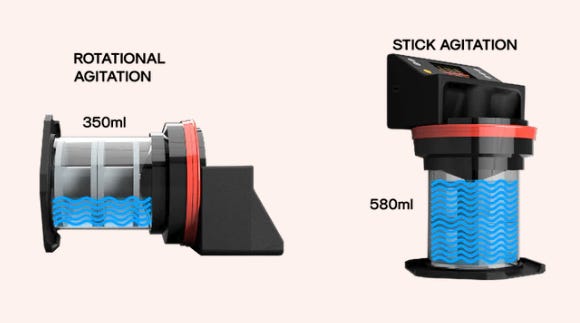
Agitation is rotary and continuous. This produces more consistent negatives and since the tank stays horizontal, it cuts chemistry use by up to 60% compared to standard agitation. For C-41, where you’re reusing developer across multiple rolls, those savings accumulate fast.
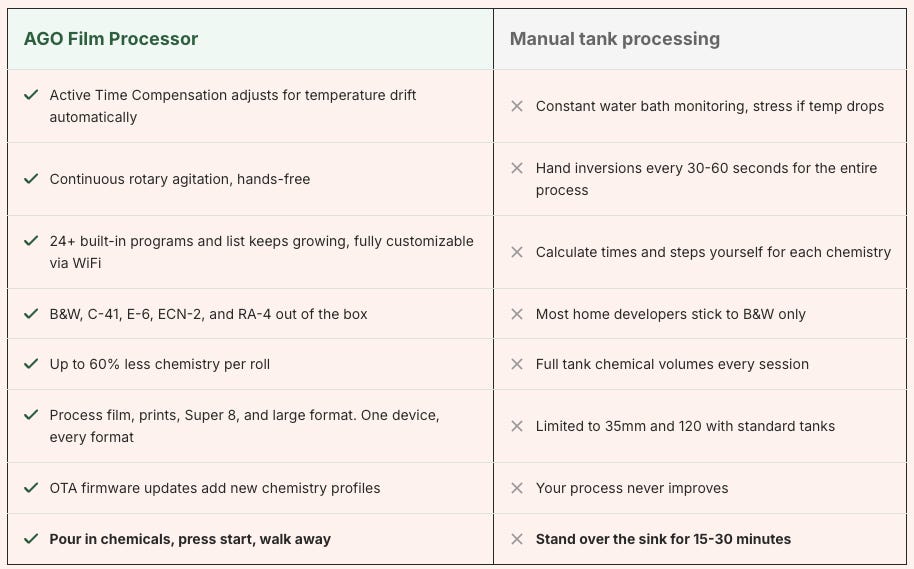
Here’s a table from VintageVisual’s website comparing the advantages of AGO.
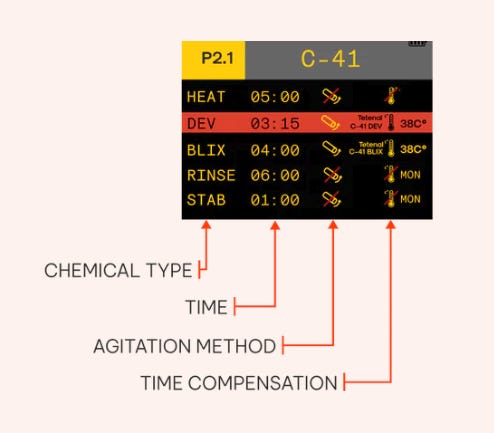
Presets for different chemicals/recipes
Getting started is easier than any review made it sound when I first looked this thing up. The AGO ships with built-in presets for the most common processes: C-41, E-6, black and white, RA-4 paper. For most people, that covers everything. You pick your process, load it up, and go. When you develop multiple rolls with the same chemistry and need to bump development time to account for exhaustion, you adjust the preset and you’re done. Custom programs are managed through the AGO’s built-in Wi-Fi from your phone or computer, and it’s genuinely simple.
There’s one setup step people worry about more than they should. Three holes need to be drilled into the funnel of your Paterson tank so chemistry can flow in and out during rotary mode. Vintage Visual includes an adhesive drilling template, and the whole thing takes about four minutes. They also sell pre-drilled funnels if you’d rather skip it entirely. After that, you forget it ever happened.
Battery and design
A few more practical details worth knowing. The unit charges via USB-C and the battery life is impressive. The AGO picked up a Red Dot Award and a TIPA World Award in 2025, and is trusted by over 3,000 film photographers across more than 30 countries.
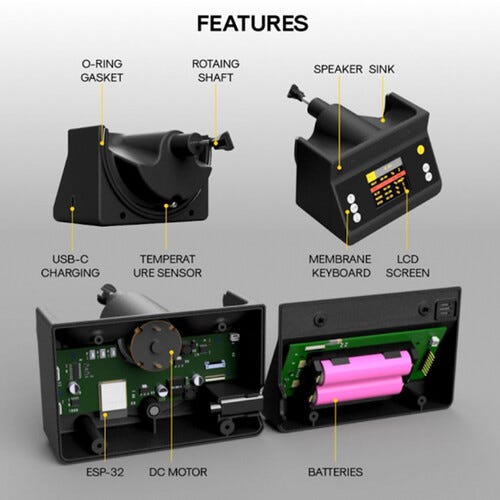
There are a few minor complaints worth being honest about. The bottom of the unit isn’t rubberized nor water sealed, so it slides on a smooth counter and water might get in if you’re not cautious. Pouring chemistry through the small opening takes some practice. The USB-C charging port has no cover, something Vintage Visual has acknowledged and is addressing in newer builds. None of this would stop me from recommending it. I added some rubber feet, as well as electrical tape around my unit, for better water-sealing.
Customer Support
Vintage Visual’s Discord and support are some of the best I’ve come across in the film photography world. Questions get answered fast, firmware updates ship regularly, and it feels like a team that actually uses the product. That community matters more than most gear reviews give it credit for, especially when your chemicals are at temperature at 11pm and something looks slightly off.
The price is €439, around $529 USD. For what it does, and how much it changed the way I develop and ultimately how much I shoot, I think about that number for about two seconds every time I remember what this workflow looked like before.
This is a preliminary review, not a full breakdown. If you want the detailed version covering specific film stocks, chemistry comparisons, and a full walkthrough of the software, drop a comment below. If enough of you are interested, I’ll make it happen.
You can buy one from this link, also, check their blog. I don’t get any commision and I’m here just to write nice things for you.
Consider subscribing to Camera Clara if you liked this article. It’s free. No spam, never, I promise.
Dev results
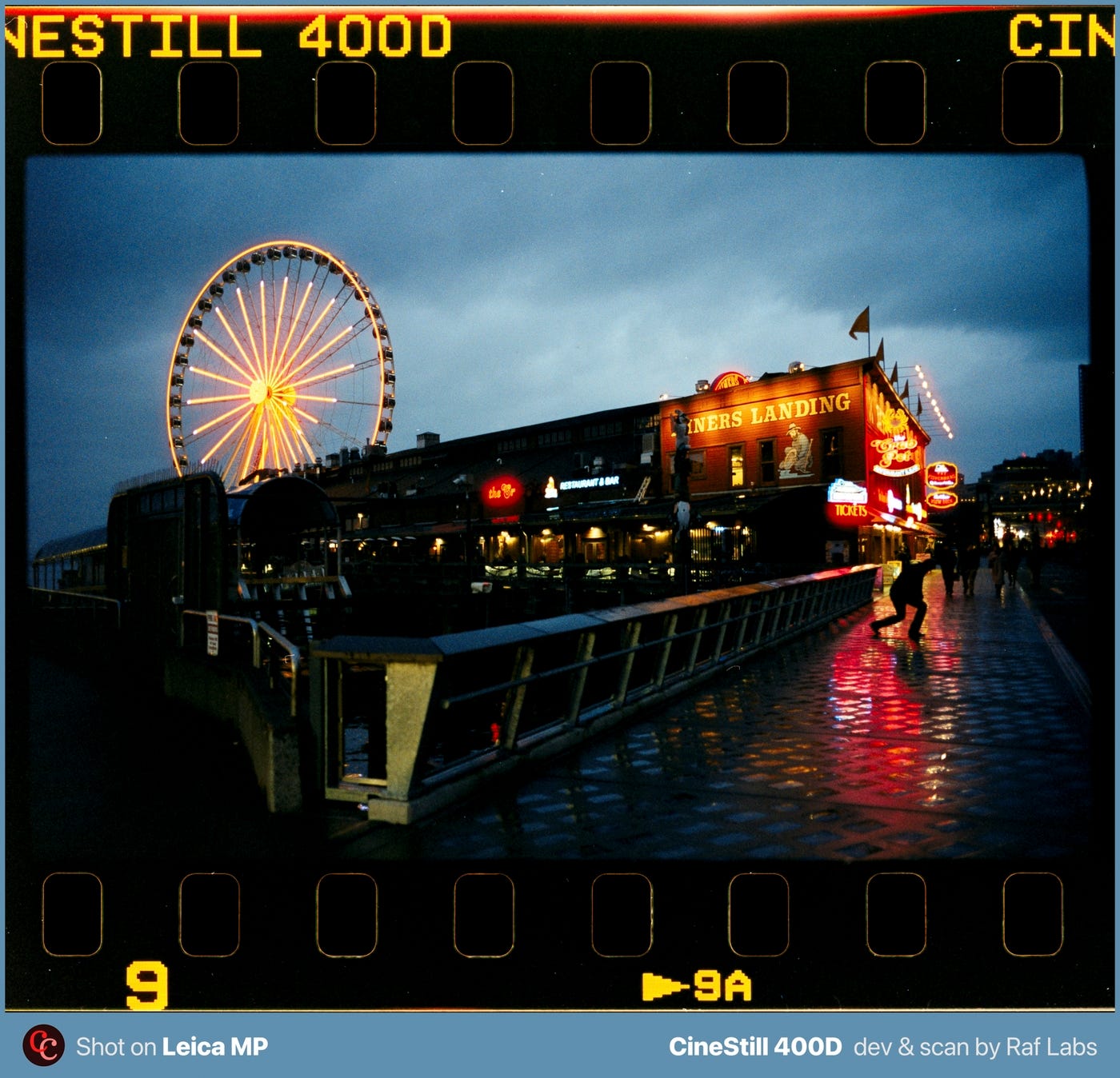
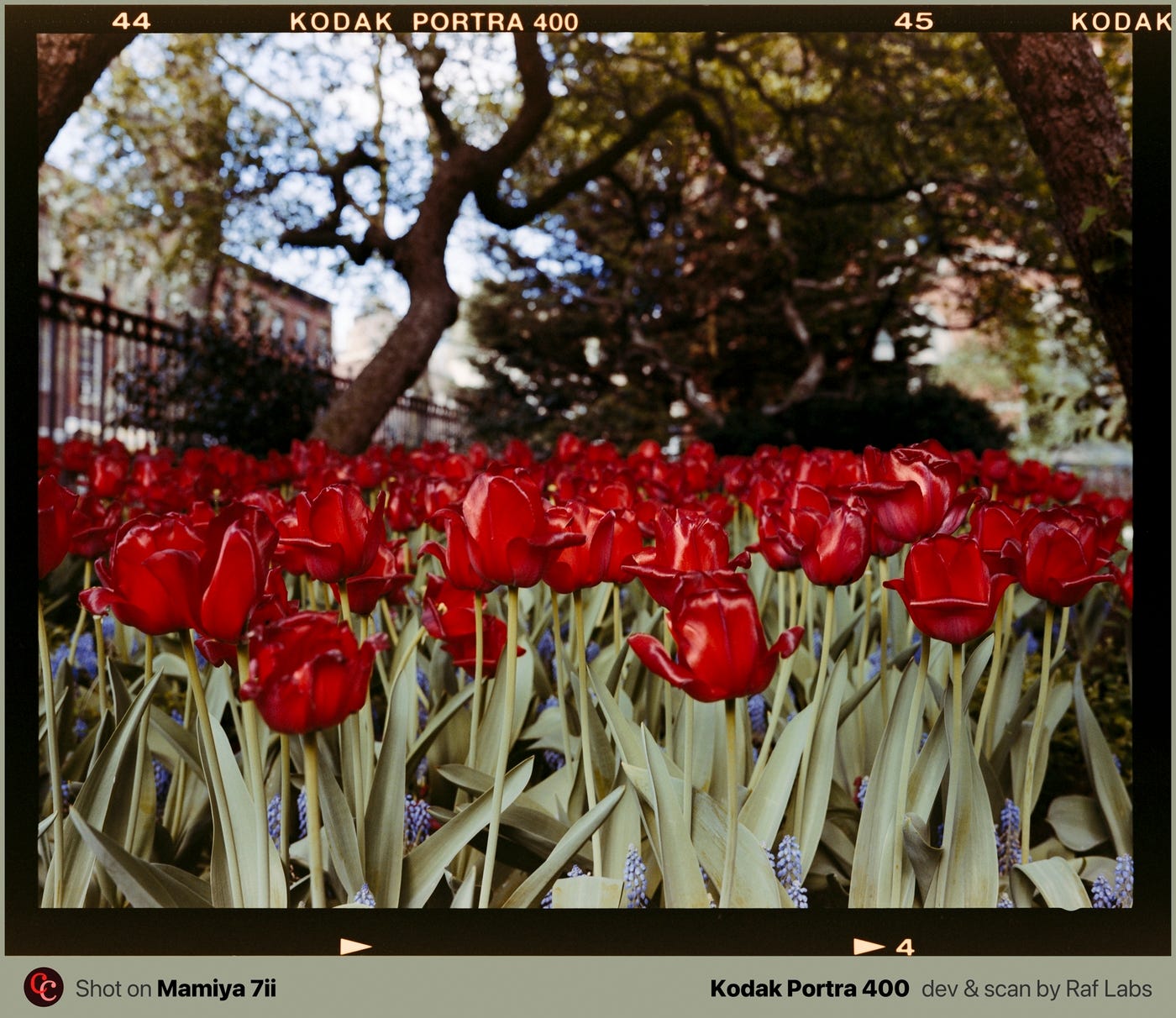
Is it any good? You might ask. Well… almost every photo you see here in CameraClara has been developed by RafLabs, has been with the AGO, here are a couple of examples:


Thank you for this very helpful review. I’m sorely tempted to buy one this summer. But how many rolls do you need to be developing of C41 per month to make it worthwhile as the the chemicals don’t last that long?
Thinking of buying one since you told me about it a while ago… now even more so. I think I’ll get rid of my other setup. Great review!