


(Original article from Fotografia Cotidiana, a sibling publication where I write in Portuguese).
If you enjoyed this post, subscribe to Fotografia Cotidiana for more stories about photography, travel, and seeing the world through a slower lens. It’s free, and new posts land straight in your inbox.

Rio,
I lived with you for thirty years and never gave you the credit you deserved. I grew up near the beach, had friends my whole life, met my wife and raised my son there. And still, when I left, I didn’t look back. First I moved to São Paulo for work, then to New York, carrying the conviction that I had made the right call.
Ten years later, I return as a wide-eyed tourist. And I’ll be honest: I return quite embarrassed.
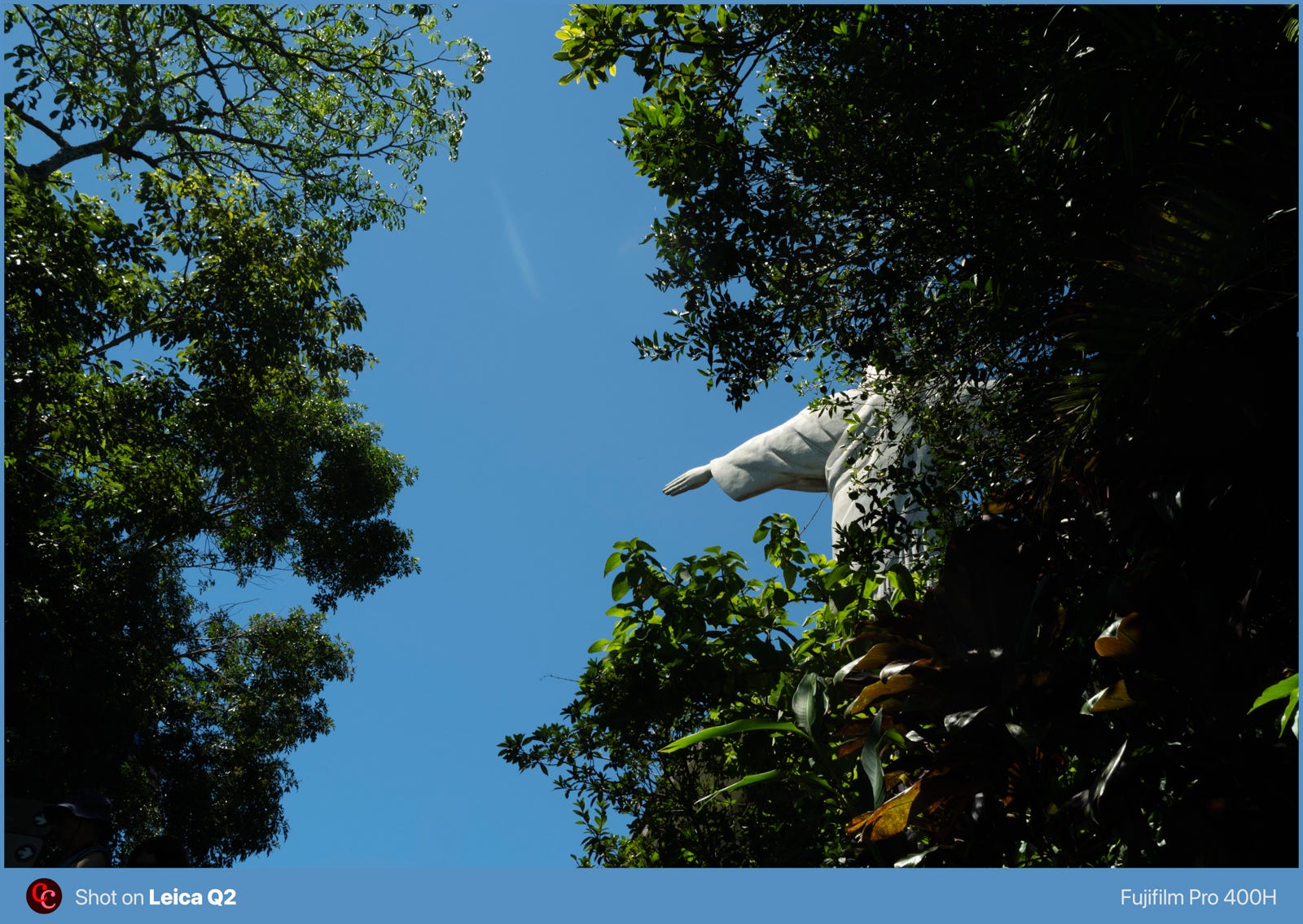
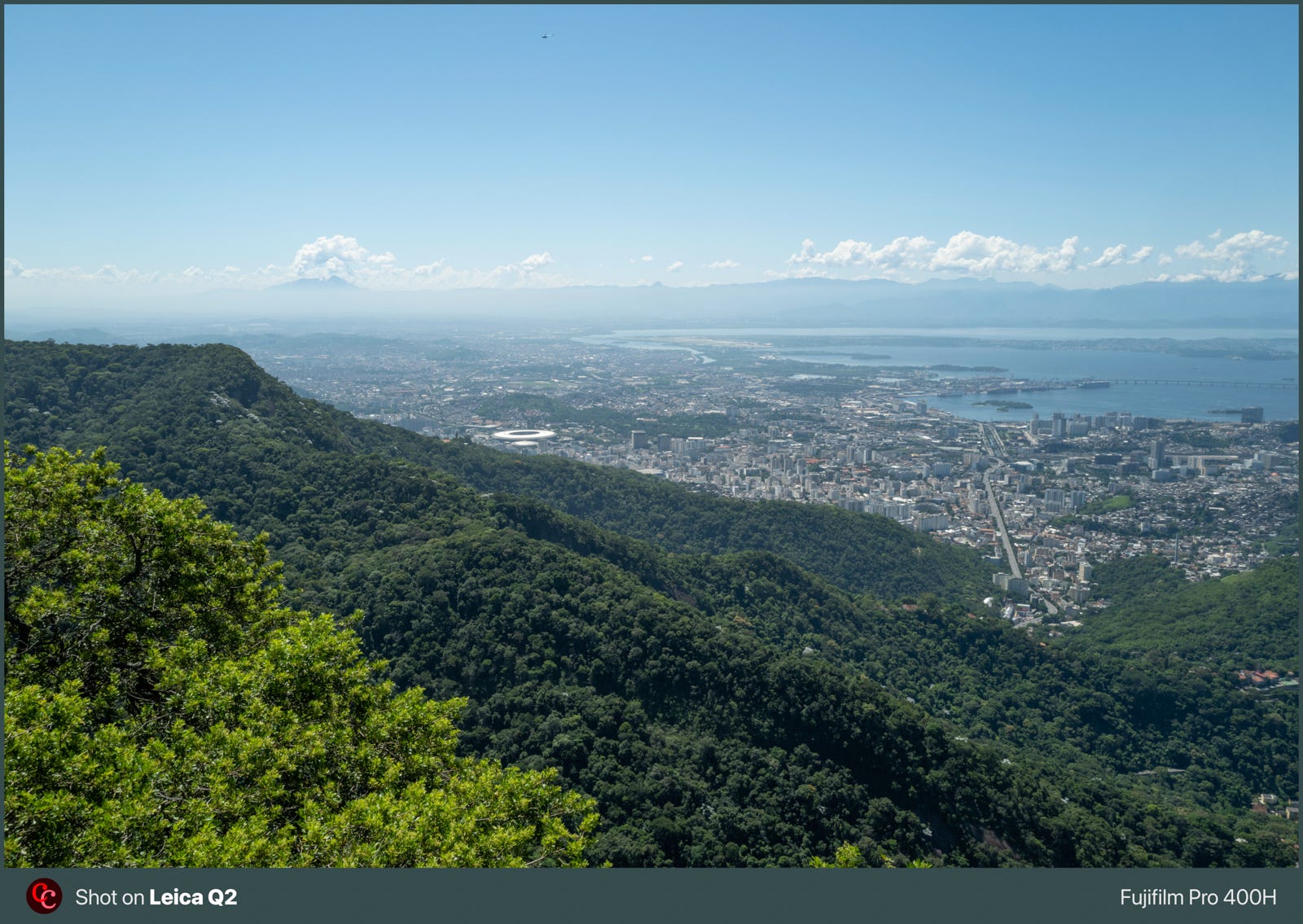
Embarrassed because I used to loathe you. I thought everything was disorganized, messy, too hot. I wanted systems, I wanted standards, I wanted to buy cheap electronics. When I looked outward, all I could see was everything you weren’t. I never stopped to see what you always were.
I had to live a decade in the United States to understand what eating well actually means. Sounds trivial, but it isn’t. Here in Rio, I walk into any restaurant and the food is homemade. Fresh, cooked to order, with ingredients that still remember where they came from. The other day I had coconut juice blended with coconut water (rather than tap water) at a corner juice bar, something so simple I would never have appreciated it at twenty. That just doesn’t exist in New York. There, a green juice costs twelve dollars and tastes like grass with an aftertaste of good marketing. After ten at night, your options are fast food or loneliness. In Rio, I sit down at a restaurant at eleven and eat a full meal, made from scratch, for a price that wouldn’t cover the tax in Manhattan. Let alone the tip. Fresh meat, fresh fruit, fresh everything. Brazilian agriculture delivers something no amount of American money can buy: real food, all the time, for everyone.
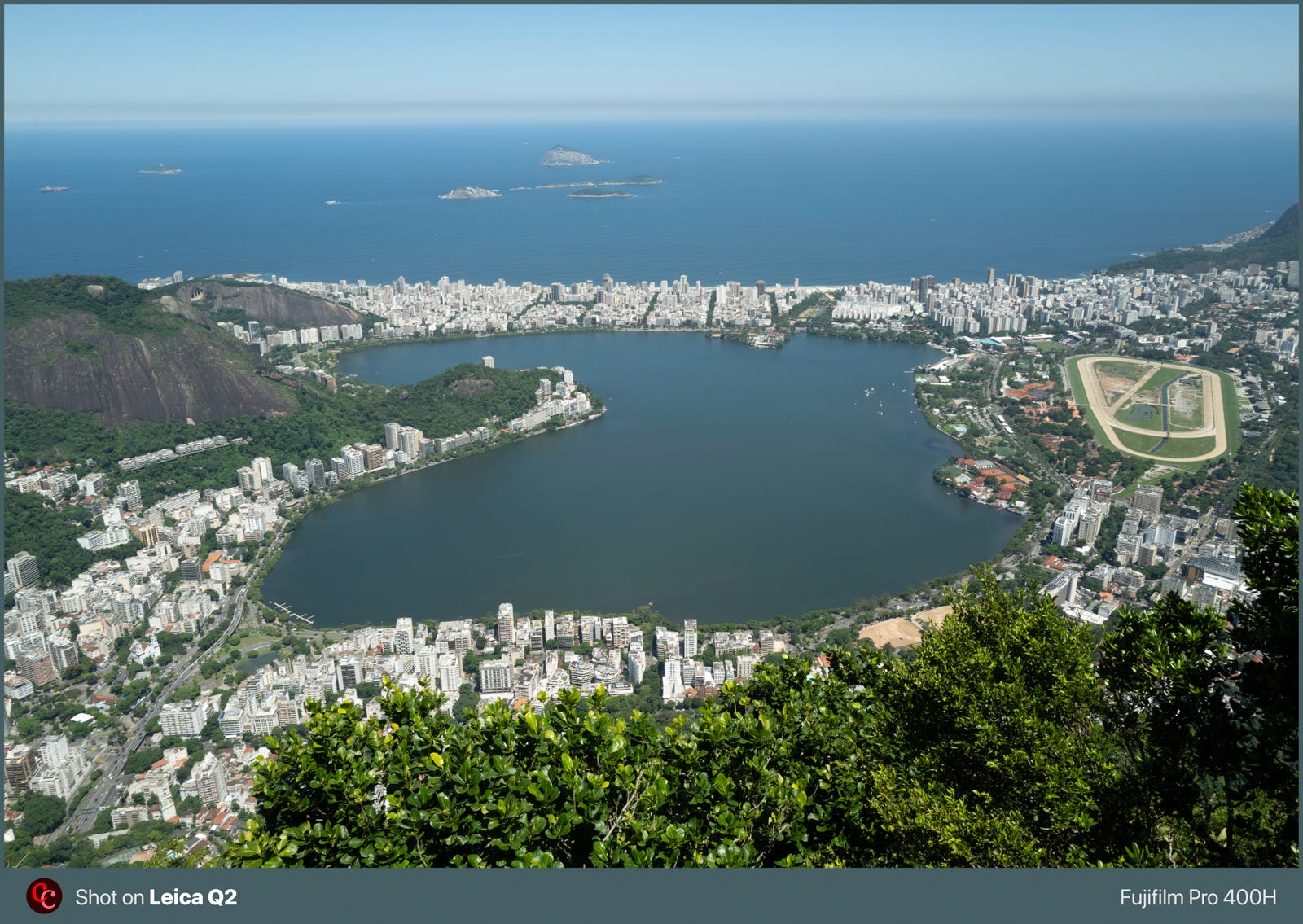
And speaking of things money can’t buy, there’s a trait in cariocas (people who live in Rio) that I always criticized and now, ironically, admire: the absence of systems (and mobile Apps). In the United States, the waiter sends your order to a terminal, the kitchen receives it, a different person brings it out. Nobody talks to anyone. Efficient? Yes. In Rio, the waiter is the same person who greets you, takes your order, and carries your plate. If you ask to swap the bread on your sandwich, he walks into the kitchen and talks directly to the person cooking it. If you want your fries cut thinner, they go in there, in the kitchen, and personally negotiate it with whoever is doing the frying. There is no protocol. There is conversation. This “jeitinho brasileiro,” this constant improvisation that we love to criticize when we live here, is what allows a level of customization I have never found anywhere else in the world (other than extremely luxury places). In the US, if an item is not on the menu, it does not exist. In Rio, the menu is merely a suggestion.
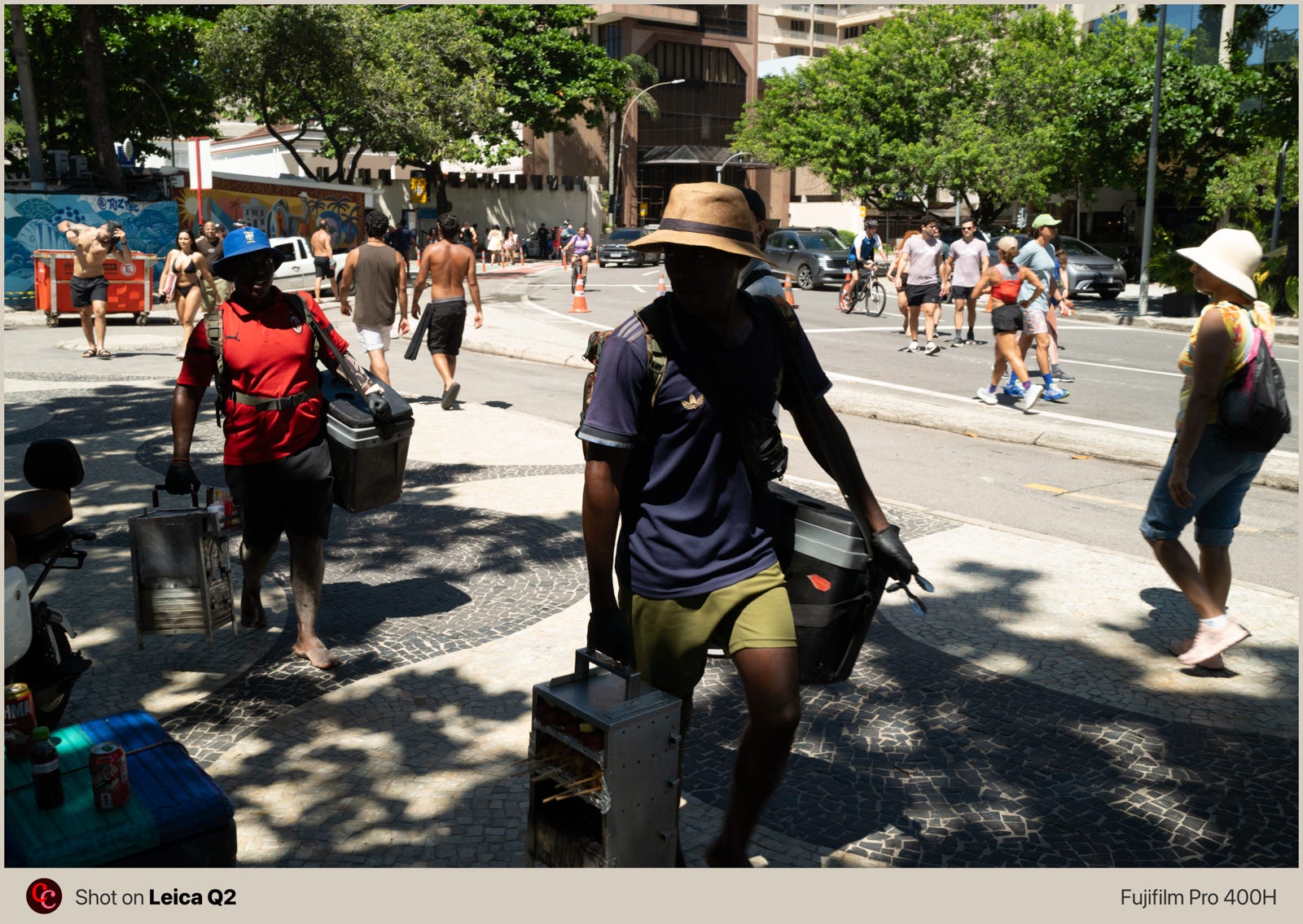
That informality extends to everything, including your body. The heat and humidity strip away any pretense of formal elegance. Havaianas reign. The other day I walked down to Bibi Sucos in mesh shorts (no underwear, obviously), flip flops, and a shirt I should have thrown away years ago. Nobody looked twice. There is a classy & fancy Rio, of course, the malls in São Conrado, the boutiques at Village Mall. But in daily life, nobody cares if you’re wearing Armani or a Dollar Tree tee. Rio sets the bar through comfort. And there is something beautiful in that, something bohemian that has nothing to do with partying or excess. It has to do with knowing how to live. With choosing to feel good over looking good. With transparency in its truest sense: humility and intellectual honesty. With choosing what is really important, which is health, happiness, and good food.
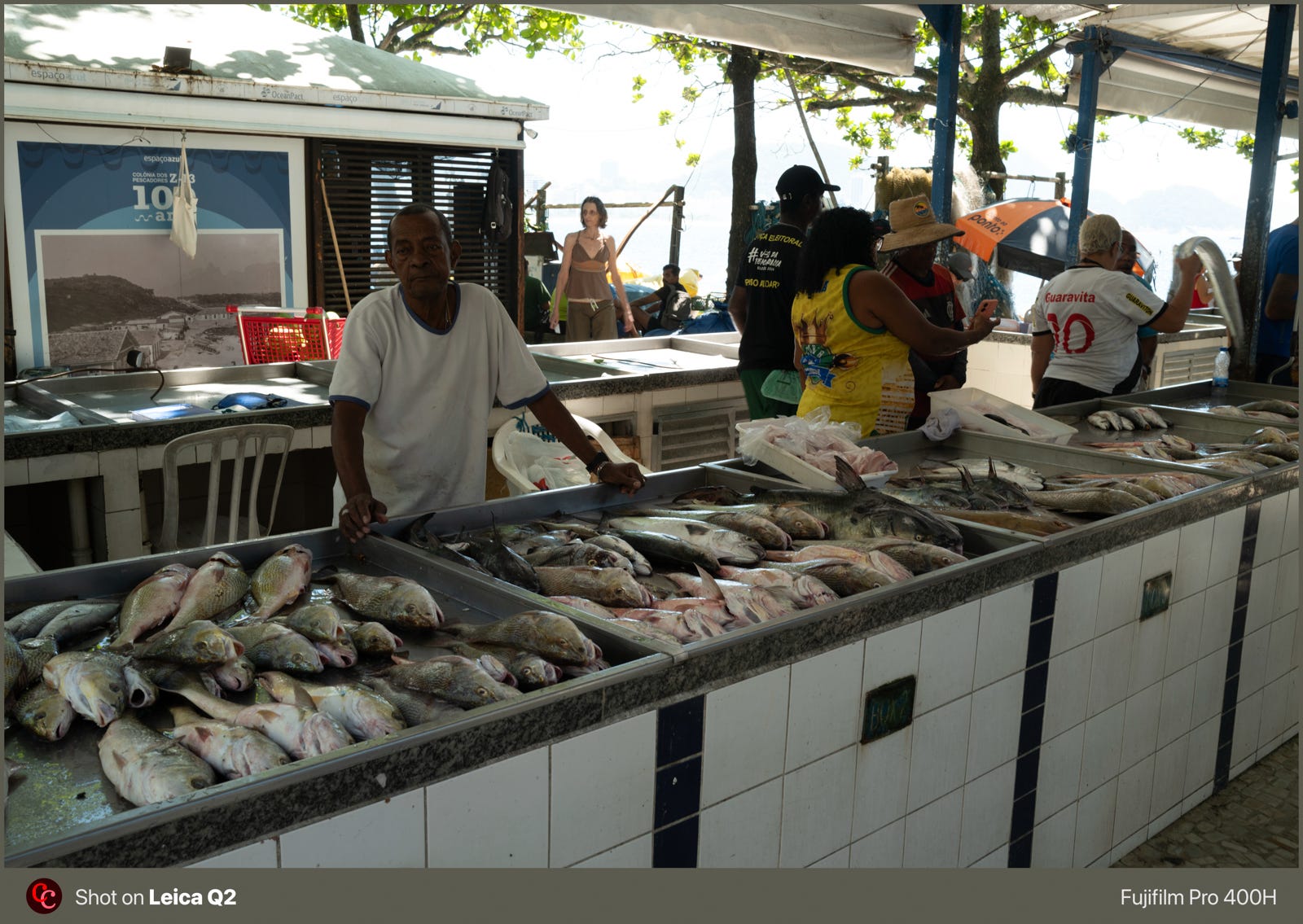
I know the weight of what I’m saying. I know this admiration comes easy when you arrive with dollars in your pocket (5:1 ratio to their local currency, Brazilian Real), ordering an Uber Black for ten bucks on a ride that would cost two hundred in New York. I know the Rio I’m describing is the Rio of the "Zona Sul” (the South part of Rio), and that most cariocas face problems I don’t have to face on this visit. Safety is still the number one issue, by far. A motorcycle with two riders and headlights off at night is still synonymous with danger. That is real, and I won’t pretend otherwise. Life in Rio is a pandora's box, and people have a very short fuse, ready to fight over the most mediocre things you can imagine.
How can a people so rich in what matters spend their energy on things so small? I used to be the same. And I needed to move 5,500 miles away for a decade to notice.
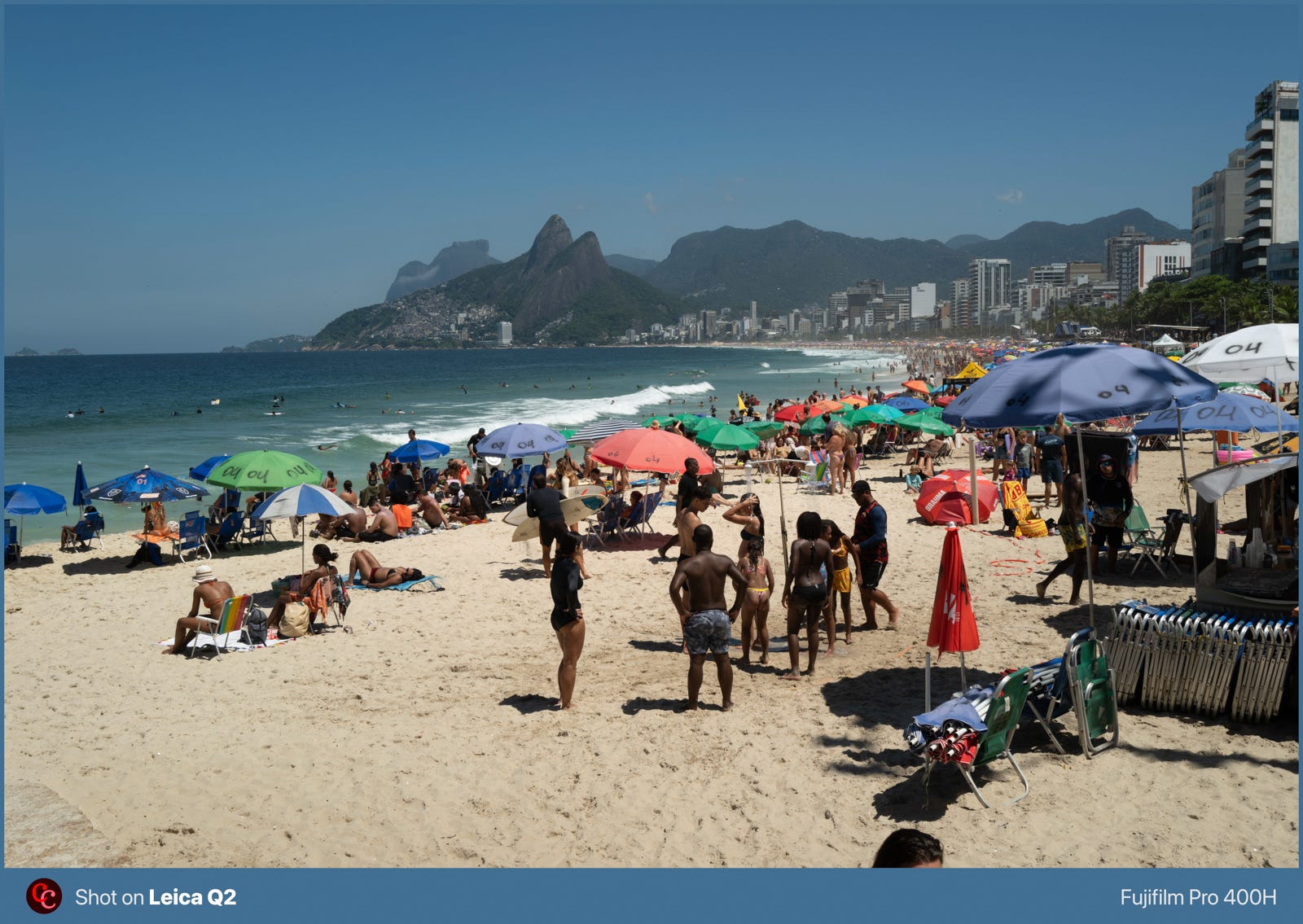
But even with all of that, there is something in the people of Rio that doesn’t exist in the rest of Brazil, much less the rest of the world. A warmth, a lightness, a willingness to make things work with whatever is at hand. And I needed ten years away, winters at minus thirteen degrees, pasteurized food, and a very well-organized loneliness to finally see what you offered me for free, every single day, right in front of my eyes.
Rio, my bad. I lived thirty years with you and spent a good part of that time wanting to be somewhere else. I don’t know if I’ll ever come back for good. But now, at least, I know what I left behind. I’m not complaining either. Life abroad is good. But this right here? This is something else.
Rio, You’re the GOAT.
Raf

This was so beautifully written 🙏🏻